Systematic Problem-Solving & Innovation
Vantive India R&D · Phase 1 · Module 1
Bala Ramadurai
Intro & Plan
Meet Your Facilitator - Bala Ramadurai
Entrepreneur, Professor, Author and Innovation Coach
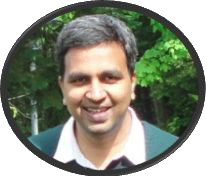
- Marie Curie Research Fellow at Politecnico di Milano, Milan, Italy
- PhD from Arizona State University, USA (Materials)
- BTech from IIT Madras, India (Metallurgy)
Prof. Bala Ramadurai - Professor
- IIT Madras, Chennai, India
- Universidad Panamericana, Mexico City, Mexico
- Symbiosis Institute of Business Management, Pune, India
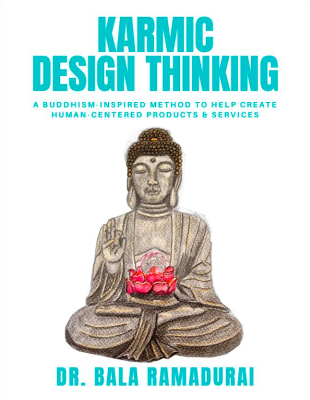
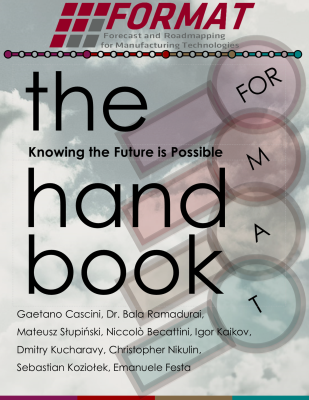
Bala Ramadurai - Author
 |
 |
 |
 |
Bala Ramadurai - Innovation Coach

Bala Ramadurai - Entrepreneur

Spirelia
Innovate with Confidence
Srishti OS — The AI-Native Innovation Platform
Spirelia Innovation Pvt. Ltd.
"Innovate with Confidence, Powered by Insight"
& Roadmapping
Assistant
& Idea Generation
Protection
Prototyping
Courses Taught
Design Thinking
Human Centred Design of products and services
Innovate Like a Boss
Systematic Innovation using methodologies like TRIZ, Brainstorming
Technology Forecasting

Love to keep in touch
https://balaramadurai.net/about/
bala@balaramadurai.net
My LinkedIn

Who's in the room?
- Field, Factory or Future?
- How many people report to you?
- One problem your team keeps bringing back to you
Our 2 days, in one line
Day 1 — find the real problem
Day 2 — break it, and defend the fix
Day 1 — the plan
| We work on… |
|---|
| Why innovate? · pick the problem |
| Function map — see the system |
| Name the contradiction · price it with TIMES |
| Brainwrite — flood the contradiction + Day-1 wrap |
Scan me — the plan

kdt.balaramadurai.net/2026-Vantive-Innovation/00-Intro.pdf
Two days of tools ahead
But first — what is innovation, really?
What the heck is Innovation?
What is Innovation?
- Open your browser
- Type "innovation" in a search engine
- Click the images tab
- What's common across them?
Innovation
10s
→ 432,000s
120 hrs · 30 days


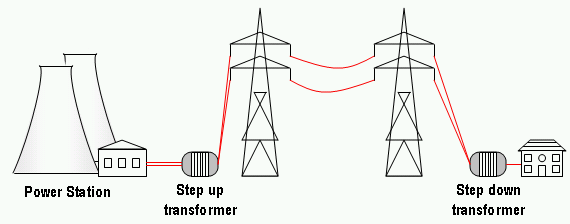
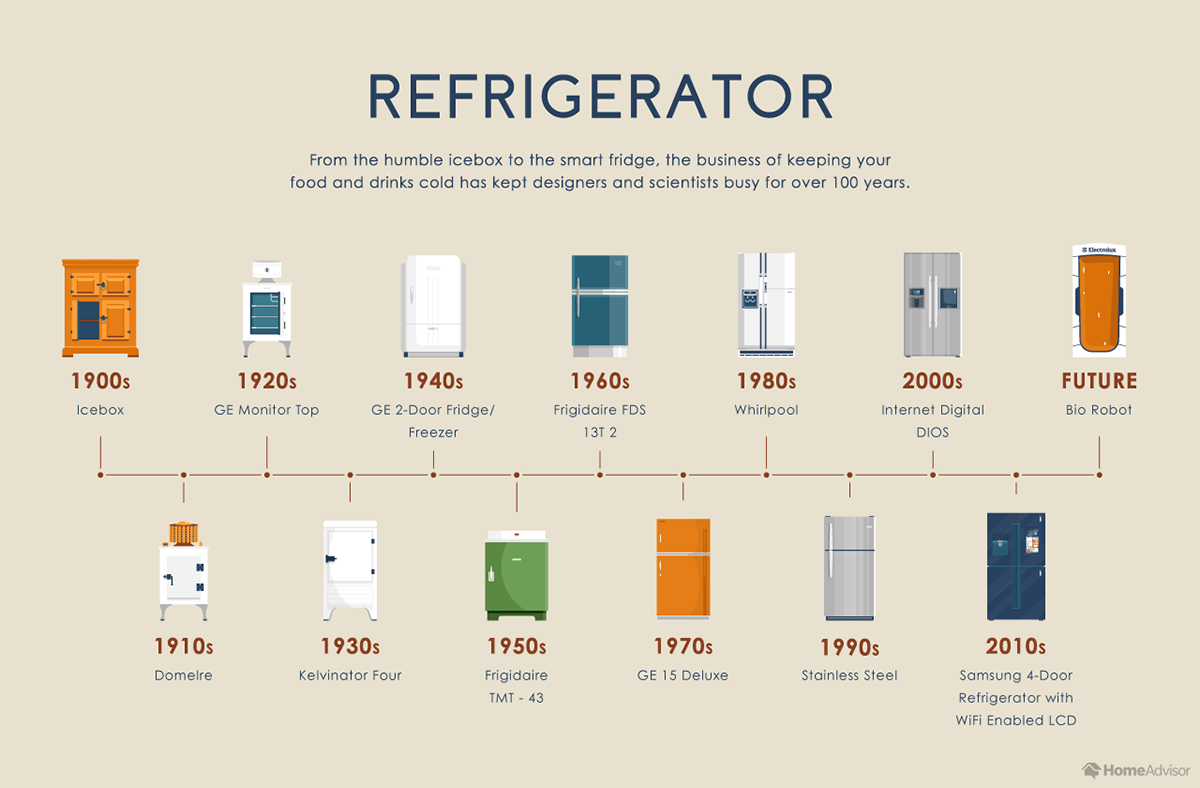
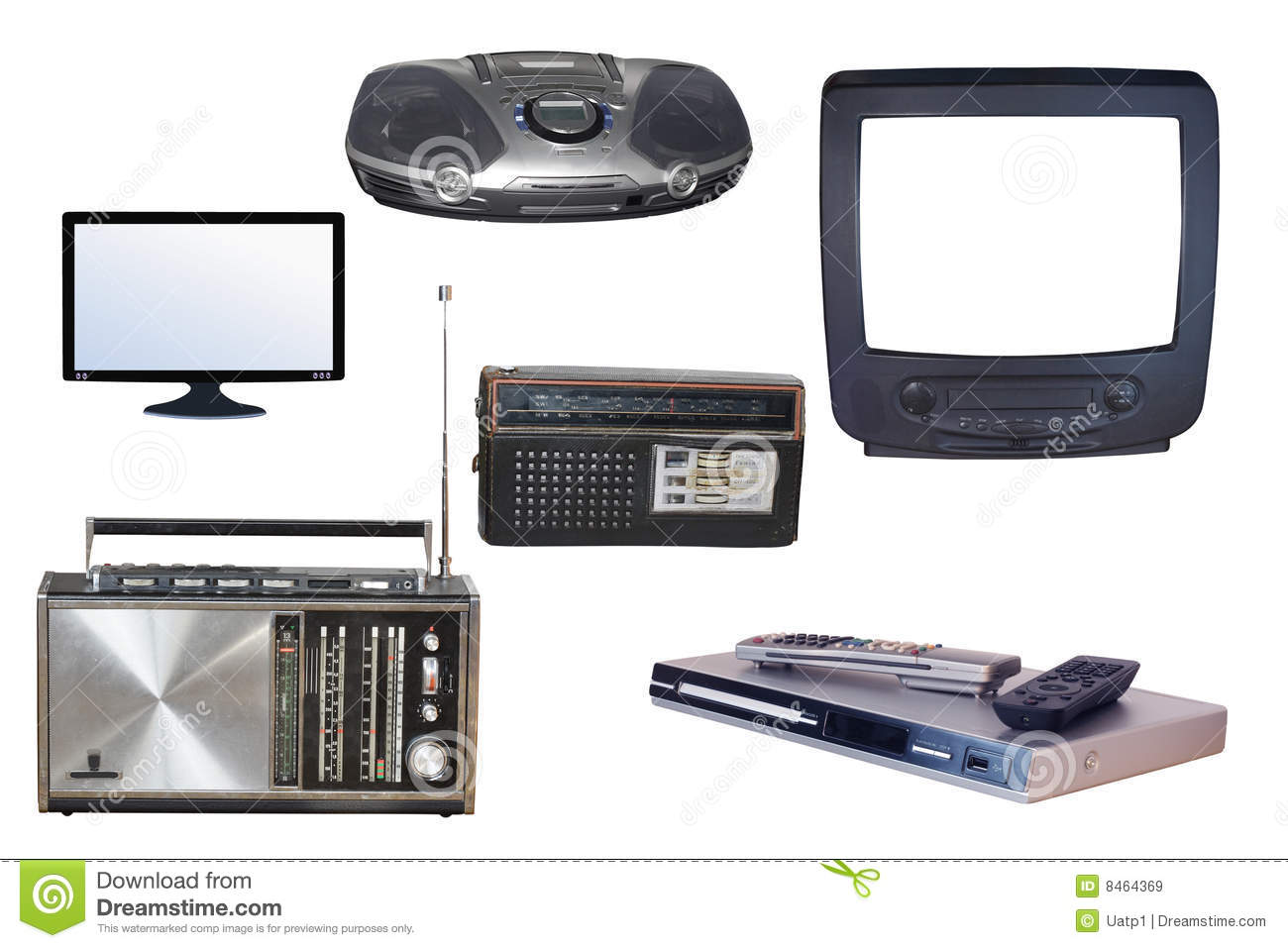
Edison's innovation was not the bulb
He thought about the customer situation
He formulated the problem from the customer's perspective
He thought in systems, not just products
He built systems that made business sense
Innovation requires three things
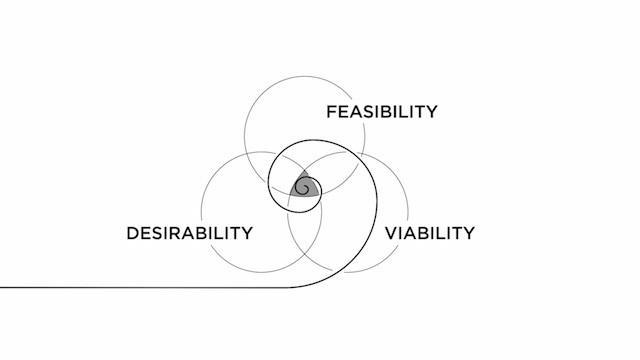
- Customer Desirability — do people want it?
- Technical Feasibility — can we build it?
- Business Viability — will it make money?
Source — IDEO's model
Your three pillars
- 🏥 Field — the patient's pain
- 🏭 Factory — the process
- 🚀 Future — the next product
All three innovate the same way: see the system → name the real problem → break it
The building you work in
Floors 9–10 — new products — are strong
Floors 2–8 — the fundamentals — are where problems recur
Today we reinforce the middle floors, so the top stops catching fire
Task — Team, Theme and Tone
- Team
- Move around to sit with your teams
- Theme
- Discuss or recall the project that your team should work on
- Tone
- What do you want to improve? What stops you?
Please don't say "cost" — I have you covered 💰
Time Remaining:
Scan me — Innovation

kdt.balaramadurai.net/2026-Vantive-Innovation/01-Innovation.pdf
Edison didn't fix the filament
He saw the whole system — and your first tool draws it
Tool 1 — Who does what to whom (Function Map)
The escalation — as it is written down
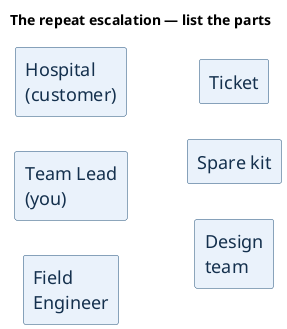
- How many parts make up this system — can you name them all?
- Name one insufficient function, and one harmful function?
- What do you act on — and what do you only watch?
The same system — as a picture
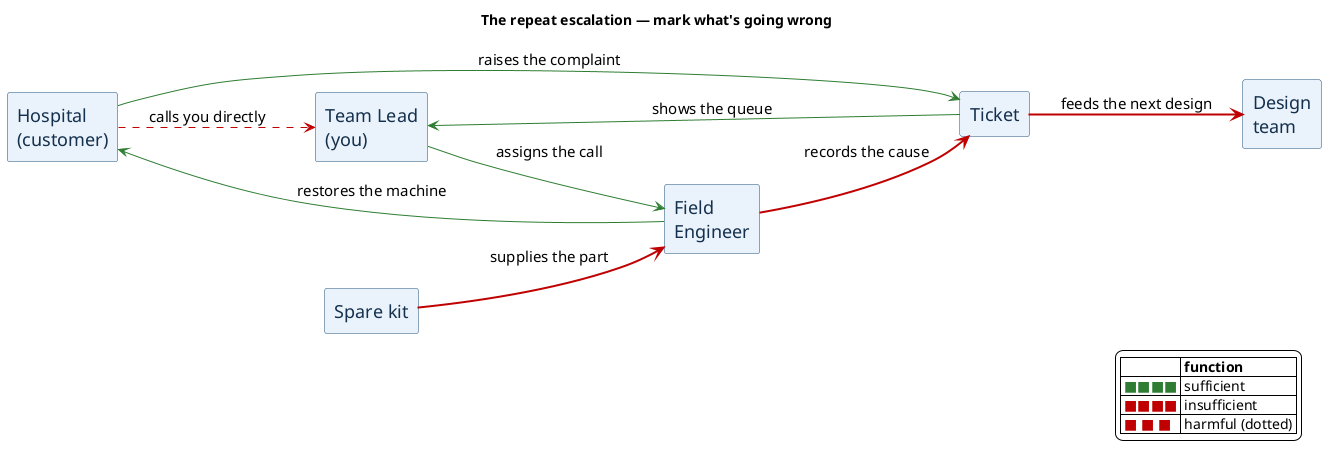
- How many parts make up this system — can you name them all?
- Name one insufficient function, and one harmful function?
- What do you act on — and what do you only watch?
A complaint is never just one part
Draw who does what to whom — and mark what's going wrong
Why draw it? Your eyes beat your reasoning
A list hides complexity. A picture shows it
Your visual cortex untangles relationships far faster than the prefrontal cortex that plods through bullet points — so we draw the system, we don't list it
A ticket, a handover, an engineer — these are parts too
A part is anything that does a job to something else
Step 1 — list the parts (the repeat escalation)
Step 2 — draw the functions
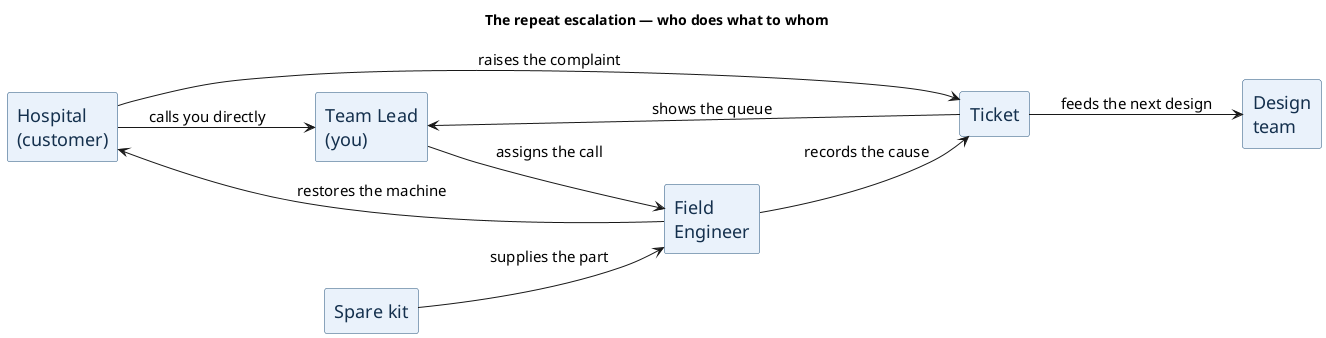
arrows = functions: the engineer records the cause, the kit supplies the part
Step 3 — mark what's going wrong
🔴 insufficient / harmful · 🟢 sufficient — every 🔴 is a problem candidate
The same map — Field · Factory · Future
- 🏥 Field — customer · engineer · ticket · spare kit — 🔴 the cause is never recorded
- 🏭 Factory — operator · fixture · inspection · handover — 🔴 rework quietly hides the defect
- 🚀 Future — marketing · design · supplier · pilot site — 🔴 field learning never reaches design
People and paperwork are parts — they do functions too
Task — map your case
- List components — include the people: you, your team, the customer, the ticket
- Draw the functions between them
- Mark each insufficient · excessive · harmful
Every red arrow → a contradiction candidate
on the wall, on your feet
Time remaining:
Scan me — the Function Map

kdt.balaramadurai.net/2026-Vantive-Innovation/02-Function-Map.pdf
Reflection time
- what did you enjoy doing?
- where did you struggle?
- what did you learn and can apply come Monday morning?
Time left for reflection:
Your map is full of red arrows
Pick one — why is it that the red arrows have not yet been solved?
Tool 2 — Name the real conflict (Contradiction)
This is the heart of Day 1
Most recurring problems hide an un-named contradiction or a conflict
What is a conflict?
Where can we learn how to identify contradictions or conflicts?
The Matrix
The conflicts
- If
- Morpheus reveals the code,
- Then
- the agents hack into Zion's mainframe,
- But
- Zion is more important than Morpheus
- If
- Neo enters the building to save Morpheus,
- Then
- he might save him,
- But
- three agents are holding him
Bhool Bhulaiyaa
The conflict
- If
- Manjulika completes her revenge,
- Then
- the curse is broken and Avni is cured,
- But
- Avni loses her husband
Source — https://trizindia.org/2009/09/triz-in-films-ideas-for-fooling-filmi-ghost/
The model — If… Then… But…
- If
- a thing happens
- Then
- something good
- But
- something bad
Put on your movie critic's hat (individually)
- Think of a movie or novel you really liked
- Pick a scene you liked
- Find the conflict the character faced
- Represent it in the model (If… Then… But…)
Time left:
Worked example — the repeat escalation
- If
- we close the ticket the moment the machine runs again,
- Then
- the customer is up today and the queue looks healthy,
- But
- the cause is never recorded — so the same call returns next month
Three conflicts — Field · Factory · Future
- 🏥 Field
- If I send my best engineer to every escalation, then it is fixed today, but they stay the only one who ever can
- 🏭 Factory
- If we add one more inspection, then fewer defects escape, but the line slows and the queue grows
- 🚀 Future
- If we build what this key account asked for, then we win the account, but the release slips for everyone else
Task — name yours
- Take all red arrows from your function map
- Write them as If… Then… But…
Then pick the ONE to attack — recurring · high-pain · within your reach
writing + picking THE ones
Time Remaining:
Scan me — the Contradiction

kdt.balaramadurai.net/2026-Vantive-Innovation/03-Contradiction.pdf
Reflection time
- what did you enjoy doing?
- where did you struggle?
- what did you learn and can apply come Monday morning?
Time left for reflection:
You've named the enemy
Every "But…" is a bill — so what exactly are you paying?
Tool 3 — What is it costing you? (TIMES)
I said I had cost covered
Cost is TIMES
TIMES — the five resources you spend
the repeat visit, your calendar
who knows what, the ticket
scrap, paperwork
attention, goodwill
warehouse, the ward
Cost = T + I + M + E + S
The single slider

Push functions up · push TIMES down — there is no third move
Which letter is your "But"?
- If
- we close the ticket the moment the machine runs again,
- Then
- the customer is up today,
- But
- the cause is never recorded
The bill is I — and it is paid later in T: the same call, next month
Where the bill lands — Field · Factory · Future
- 🏥 Field — the hero engineer spends T and E — their hours, and their goodwill
- 🏭 Factory — one more inspection spends T; the rework it hides spends M
- 🚀 Future — saying yes to the loudest account spends T for every other customer
Every system is full of unused resources
- The machine already logs everything — free I
- The junior is already on the bench — free E
- The drive back is already happening — free T
Before you ask for budget — spend what you already have
Task — put a letter on it
- For your contradiction — which of T · I · M · E · S does the "But" spend?
- Where does that bill land later, and in which letter?
- Name one free resource already sitting in your system
Time Remaining:
Scan me — TIMES

kdt.balaramadurai.net/2026-Vantive-Innovation/04-TIMES.pdf
Reflection time
- what did you enjoy doing?
- where did you struggle?
- what did you learn and can apply come Monday morning?
Time left for reflection:
Now you know what it costs
One sharp contradiction, priced — now swarm it with ideas
Silent Brainstorming
First, go wide, in absolute silence
Quantity first. Judgment later
Task — flood it
Generate as many raw ideas as you can against your chosen contradiction
One idea per sticky. No filtering
Time Remaining:
Day 1 — you now hold
A system map · priced contradictions · a raw idea bank
Day 2 — the plan
| We work on… |
|---|
| Break the contradiction — TRIZ patterns + ideate |
| Putting finger to keyboard — build your 8-min pitch |
| Bulletproof — 3 rounds of ritual dissent |
| Final presentations to the Big Boss · close |
Tool 4 — Break the contradiction (Ideation)
Silent Brainstorming - Part 2
- Write down all ideas for your desired results
- Keep track of the number of ideas
- Set a target number of ideas and beat it
Time left:
Теория Решения Изобретательских Задач
Теория Решения Изобретательских Задач
TRIZ
TRIZ Nina Videos
TRIZ in one move
Someone, somewhere, has already broken your contradiction
Borrow the pattern — adapt it to your case
A simple example — the stubborn ketchup
- If
- you shake and squeeze the bottle harder,
- Then
- the ketchup finally comes,
- But
- it arrives all at once — everywhere except the plate
The other way round → store it upside down — gravity has already done the work
Warm-up task — flip yours
Apply the other way round to any generic problem — 3 ideas
Four patterns for Field · Factory · Future
- The other way round
- Do it beforehand
- Split it up
- Let it serve itself
1 — The other way round
- Field — don't fly the expert to the fault; stream the fault to the expert
- Factory — the supervisor doesn't stop the line; any operator can
- Future — don't ask the account what to add; watch what they work around
2 — Do it beforehand
- Field — the machine flags the worn part; a planned visit beats a scrambled one
- Factory — kit every part before the shift; the line never waits
- Future — gather the regulatory evidence during development, not after
3 — Split it up
- Field — split the job, not just the machine: triage remotely, hands on site
- Factory — small batches: a defect costs a tray, not a truckload
- Future — pilot in one clinic before one country
4 — Let it serve itself
- Field — the machine keeps its own fault history — the cause writes itself
- Factory — every station logs and reports its own maintenance
- Future — consumables reorder themselves before the patient runs out
Task — break yours
- Generate ideas using those 4 patterns
- Add them to your list of ideas (in the appropriate place)
- ⭐ mark every idea that uses a free resource from your TIMES sheet
Scan me — the four patterns

kdt.balaramadurai.net/2026-Vantive-Innovation/06-Ideation.pdf
Reflection time
- what did you enjoy doing?
- where did you struggle?
- what did you learn and can apply come Monday morning?
Time left for reflection:
A wall full of ideas
Your ideas — put paper on screen
A Learning Topic
Tool 5 — Putting finger to keyboard
From the wall to the screen
📸 Photograph everything — your grids, maps & stickies are the evidence
For the next round
Create your presentation (Presentation time: 8-minutes)
- A simple customer story
- Illustrate your main problem
- Solution - Describe your concept visually and with one sentence
- Highlight your unique selling proposition (USP) of your solution
- Supplement by adding a feature list
- Improvements or Advantages (Think metrics, numbers)
- for the customer
- for the company
- for the stakeholder(s)
- Plan of Action (Include Prototyping and other milestones with time)
- Support from leadership (Networks, Funding, Personnel)
Task — build the pitch
Create a compelling 8-minute presentation from the template
Time remaining:
Scan me — the Pitch

kdt.balaramadurai.net/2026-Vantive-Innovation/07-Presentation.pdf
Reflection time
- what did you enjoy doing?
- where did you struggle?
- what did you learn and can apply come Monday morning?
Time left for reflection:
You have a pitch
Now let's try to break it — before the boss does
Tool 6 — Bulletproofing
Rules — for the presenter
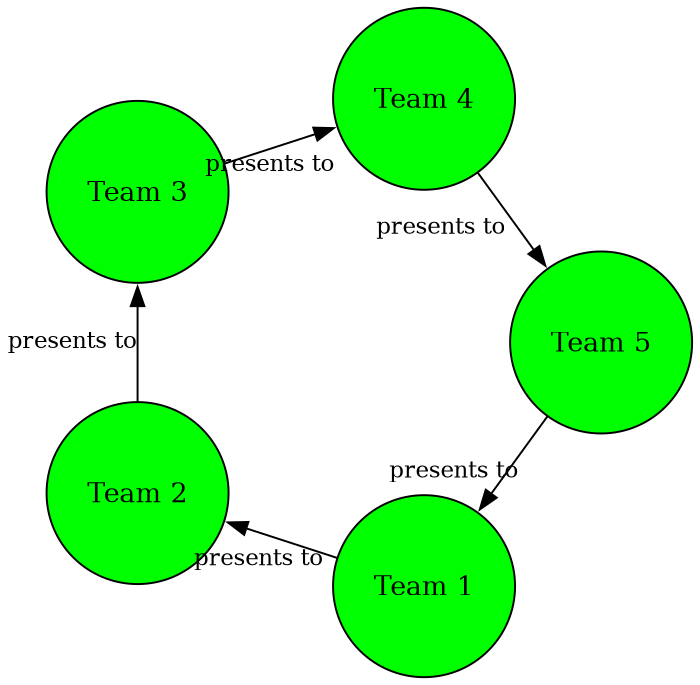
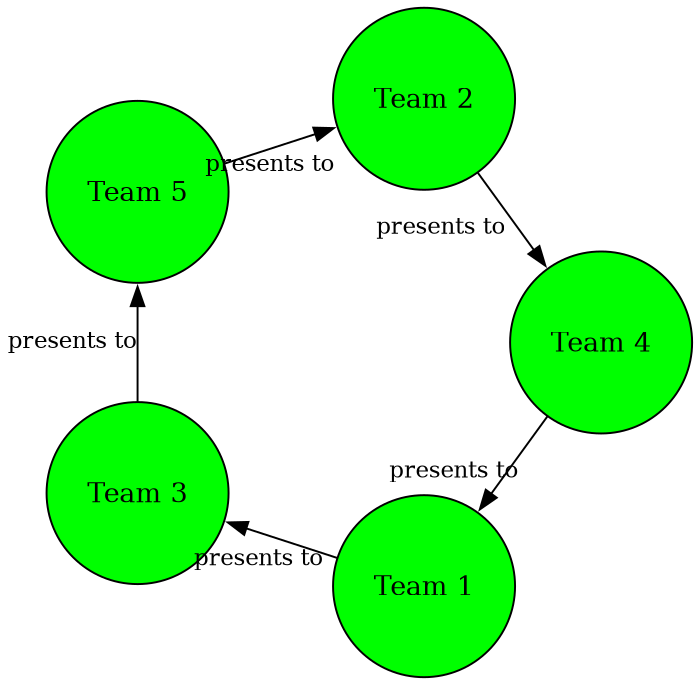
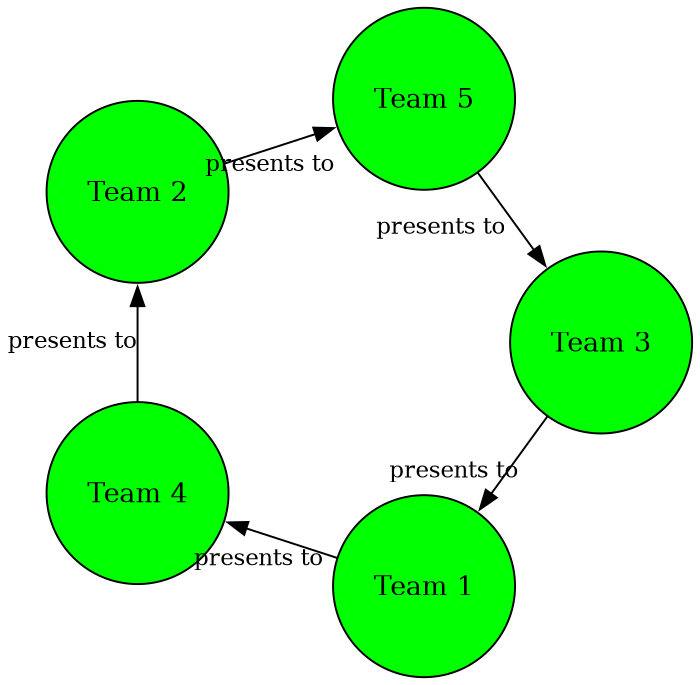
- Select 1 presenter per team
- Present to the assigned team — one-way, 8 min
- Then turn your back — note down every piece of dissent, in silence
- Return to your team — patch the pitch (8 min)
- NO discussions with the dissenters — none
Method courtesy — https://cognitive-edge.com/methods/ritual-dissent/
Rules — for the dissenters
- Presentation — style, clarity, the 8-minute discipline
- People — is the customer story real, is the empathy earned
- Problem — does the analysis hold
- Solution — novelty, feasibility, implementation detail
- Advantages — for the patient, for Vantive, for the stakeholders
Attack the idea — never the team
Round 1 (N+1)
Round 2 (N+2)
Round 3 (N+3)
Scan me — Bulletproofing

kdt.balaramadurai.net/2026-Vantive-Innovation/08-Bulletproof.pdf
Reflection time
- what did you enjoy doing?
- where did you struggle?
- what did you learn and can apply come Monday morning?
Time left for reflection:
Final Presentations — the Sistla Tank
8-min pitch + hard Q&A — in front of the Big Boss himself
You've pitched and defended
Here's what you carry out the door
Now What?
You walk out with
- A system map + a named contradiction for a real Vantive problem
- A wall of concepts — and the one your team chose to back
- An 8-minute pitch — battle-tested through 3 rounds of dissent
- A one-page pocket method — reuse it on your next problem
Phase 2 preview — "Blue Sky"
- From reacting → anticipating:
- Ideal Final Result & S-curves — read each product's maturity
- Tech-trend scouting — sensing, miniaturization, closed-loop, home autonomy
Go deeper — the course
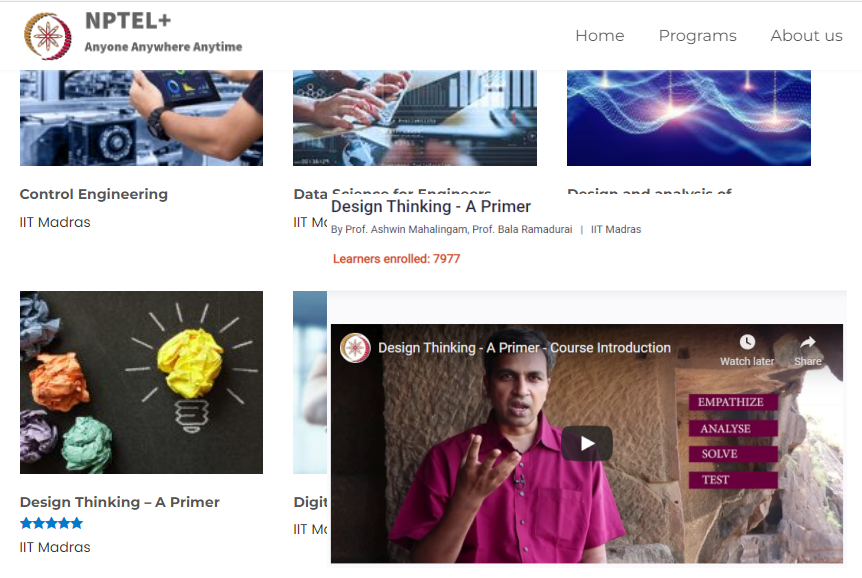
Design Thinking — A Primer · IIT Madras · free on NPTEL / Swayam
Go deeper — the book
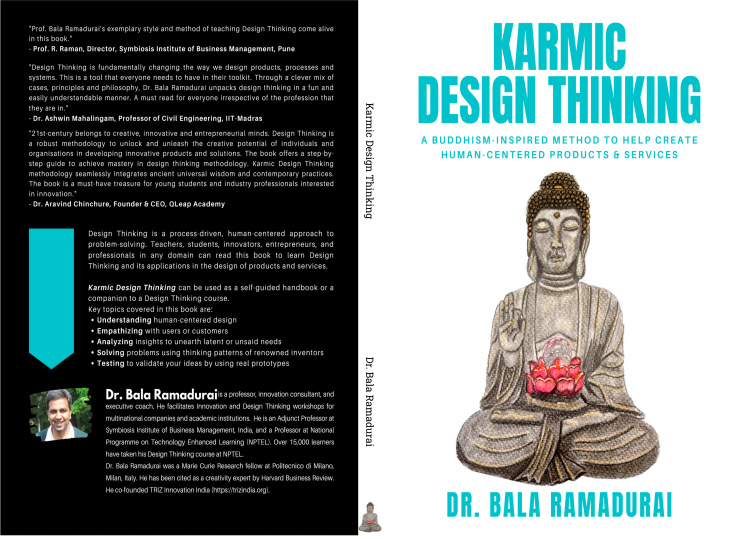
Karmic Design Thinking — look at it free at https://dt.balaramadurai.net, but buy it 😀
Bring the method back in
- Coaching sessions with the teams
- Run it on one live problem — next Monday, not someday
- Phase 2 — "Blue Sky" — when you're ready to look further out
Love to keep in touch
https://balaramadurai.net/about/
bala@balaramadurai.net
My LinkedIn
Acknowledgments
- The Vantive Field, Factory & Future teams — for the real cases that made every exercise real
- Sistla & R&D leadership — for backing the move from firefighting to systematic
- The two lettered man Dr. Ch
- Genrich Altshuller — who turned 200,000 patents into a method, from a prison cell
- Claude (Anthropic's AI) — studio buddy on these slides, who learned the hard way to drop every full stop
Scan me — everything after

kdt.balaramadurai.net/2026-Vantive-Innovation/09-NowWhat.pdf