Intro & Plan
Meet Your Facilitator - Bala Ramadurai
Entrepreneur, Professor, Author and Innovation Coach

- Marie Curie Research Fellow at Politecnico di Milano, Milan, Italy
- PhD from Arizona State University, USA (Materials)
- BTech from IIT Madras, India (Metallurgy)
Prof. Bala Ramadurai - Professor
- IIT Madras, Chennai, India
- Universidad Panamericana, Mexico City, Mexico
- Symbiosis Institute of Business Management, Pune, India
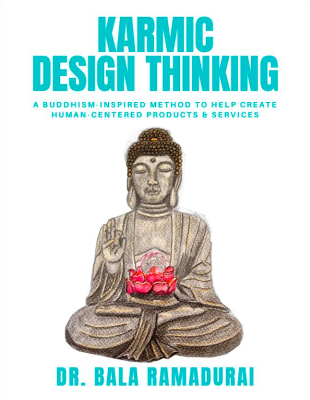
Bala Ramadurai - Author
 |
 |
 |
 |
Bala Ramadurai - Innovation Coach

Bala Ramadurai - Entrepreneur

Spirelia
Innovate with Confidence
Srishti OS — The AI-Native Innovation Platform
Spirelia Innovation Pvt. Ltd.
"Innovate with Confidence, Powered by Insight"
& Roadmapping
Assistant
& Idea Generation
Protection
Prototyping
Courses Taught
Design Thinking
Human Centred Design of products and services
Innovate Like a Boss
Systematic Innovation using methodologies like TRIZ, Brainstorming
Technology Forecasting

Love to keep in touch
https://balaramadurai.net/about/
bala@balaramadurai.net
My LinkedIn

Your Intro
Karmic Design Thinking: The Big Picture
| Date | Stage |
|---|---|
| Mar 5, 2026 | Empathize |
| Apr 2, 2026 | Analyze |
| Apr 30, 2026 | Solve |
| June 4, 2026 | Test |
10% Discount for group or bundle registration
AI usage policy
- Please use AI tools as necessary
- Please remember that AI can make mistakes
- Please check with me, if you have any doubts or questions
- Please remember that AI, sometimes, behaves like a junior colleague
- Please don't pass off results from AI as your own
- Please cite results from AI, if you have used AI
Two Scenarios
Starky or Thanoshree?
Which approach do you think you would like to adopt for your projects?
Design Thinking is Human Centred Design
How do organizations innovate?
Ideas implemented should lead to sales/revenue from the customer
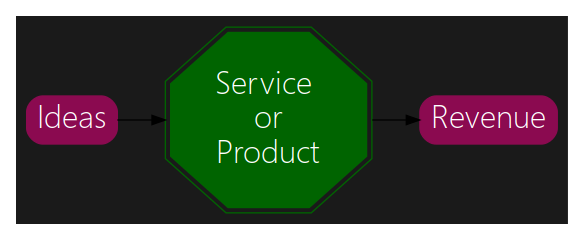
Ideas are meant to solve problems
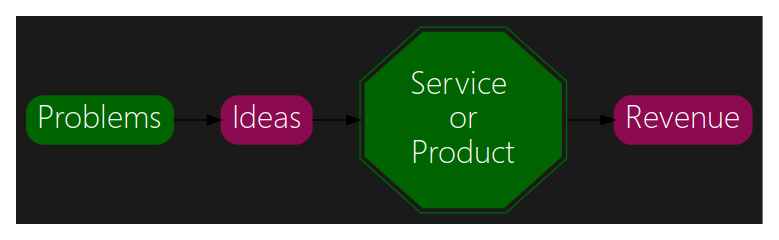
Whose problems?
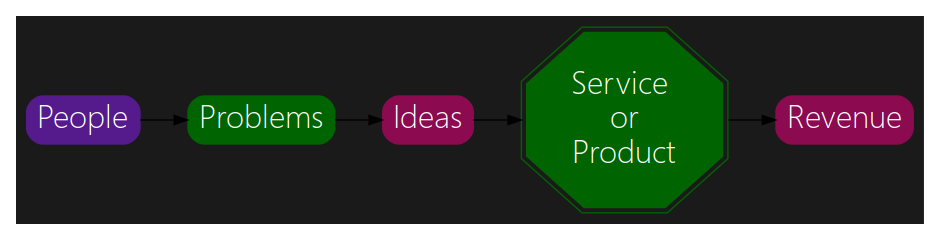
Not many will like untested products
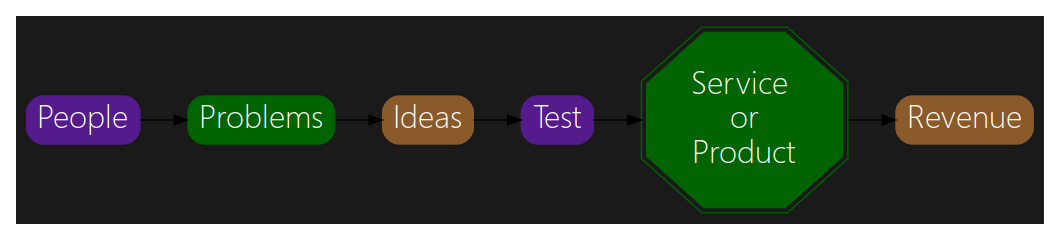
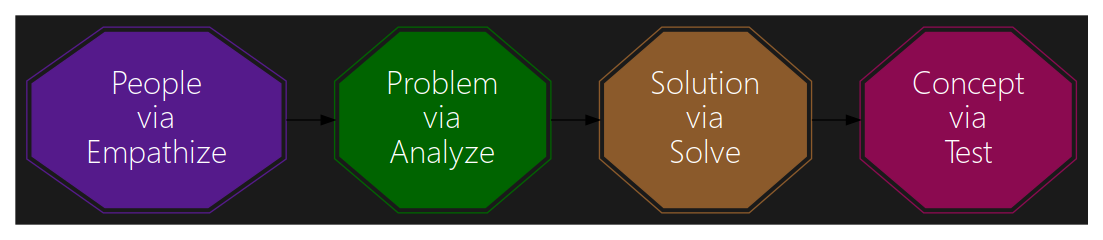
A Four Step Efficient and Systematic Process called Design Thinking
Four Noble Truths
- Dukkha
- Acknowledge that there is suffering
- Samudaya
- Delve into the cause of suffering
- Nirodha
- Think of ways to end the suffering
- Marga
- Walk on the path to end the suffering
4 Phases of Design Thinking
- Dukkha
- Samudaya
- Nirodha
- Marga
- Empathize
- Analyze
- Solve
- Test
- "Don't take my word, apply this for yourself"
- "cycles"
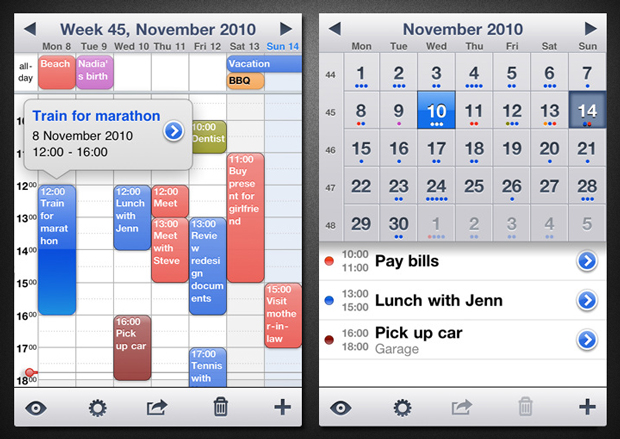
What are "cycles" in the context of an organization?

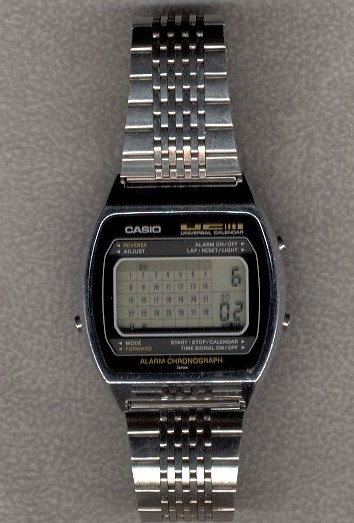
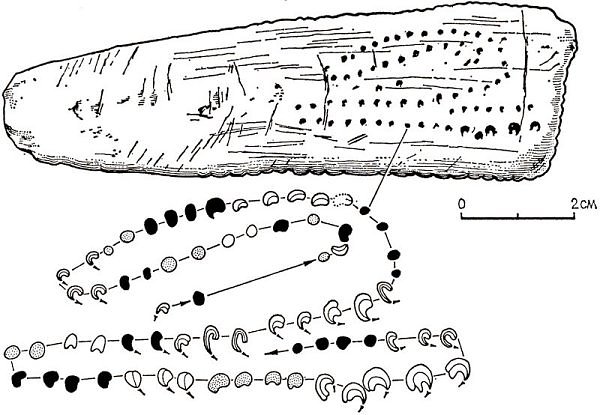
Go EAST for Design Thinking

What hasn't changed over these cycles of products?

Garbage picker's experience - IGG
Watch this - https://youtube.com/watch?v=AOwxjTlhWII
Patient-Centric Design Thinking
Watch this - https://youtube.com/watch?v=FkJD9bYS-As
Empathize
Watch this - https://youtube.com/watch?v=9_1Rt1R4xbM
Watch this - https://youtube.com/watch?v=DKzBmRRdPXo
Empathize is visual story telling
Customer Journey Mapping is the tool we will use to communicate the story
Kid Mobile Case Study

The kid's persona
Name: Akanksha
Location: Pune, India
Age: 10
Description: She lives in Pune India. Her family members are her elder brother and her parents. She loves chocolates, aspires to be a badminton player, hates assignments and exams from her school. She owns a tablet and would like to own a pet (dog or fish)
Customer Journey Map - Before
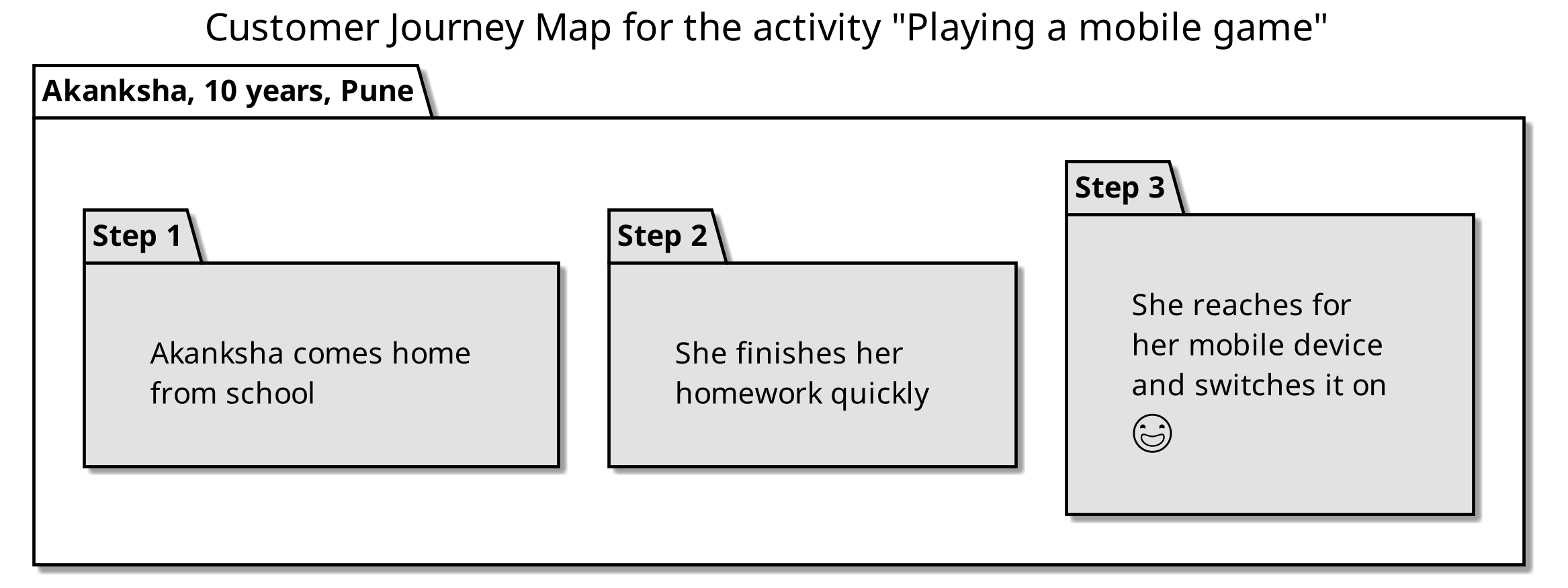
CJM - During
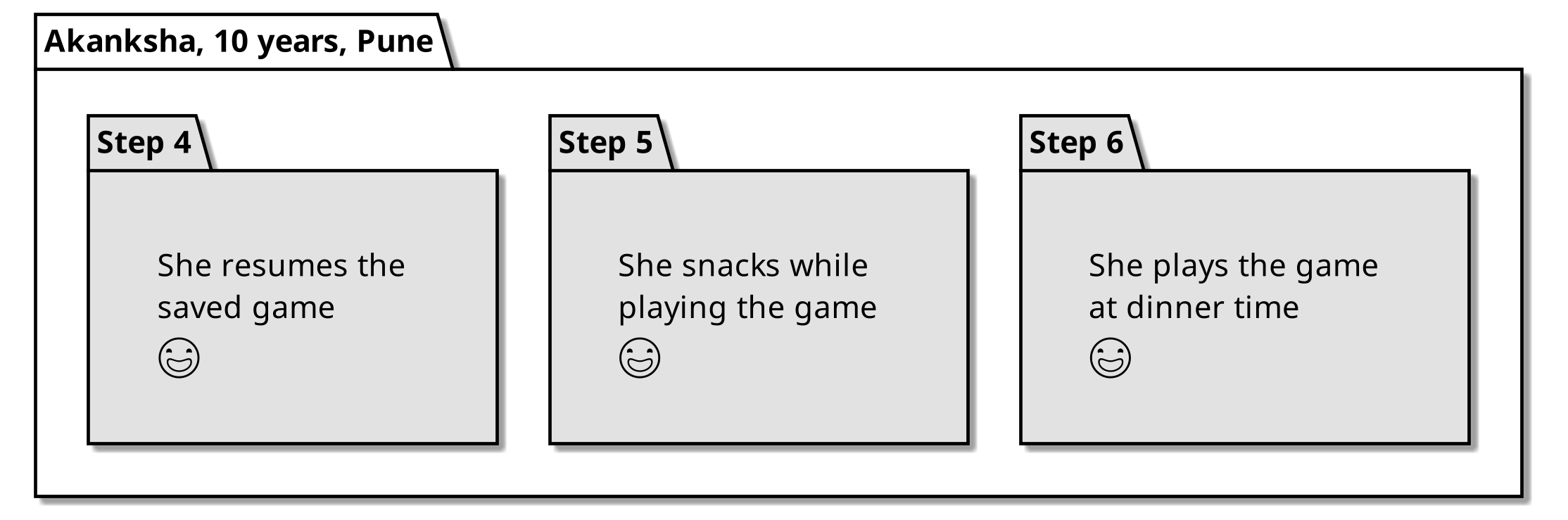
CJM - After
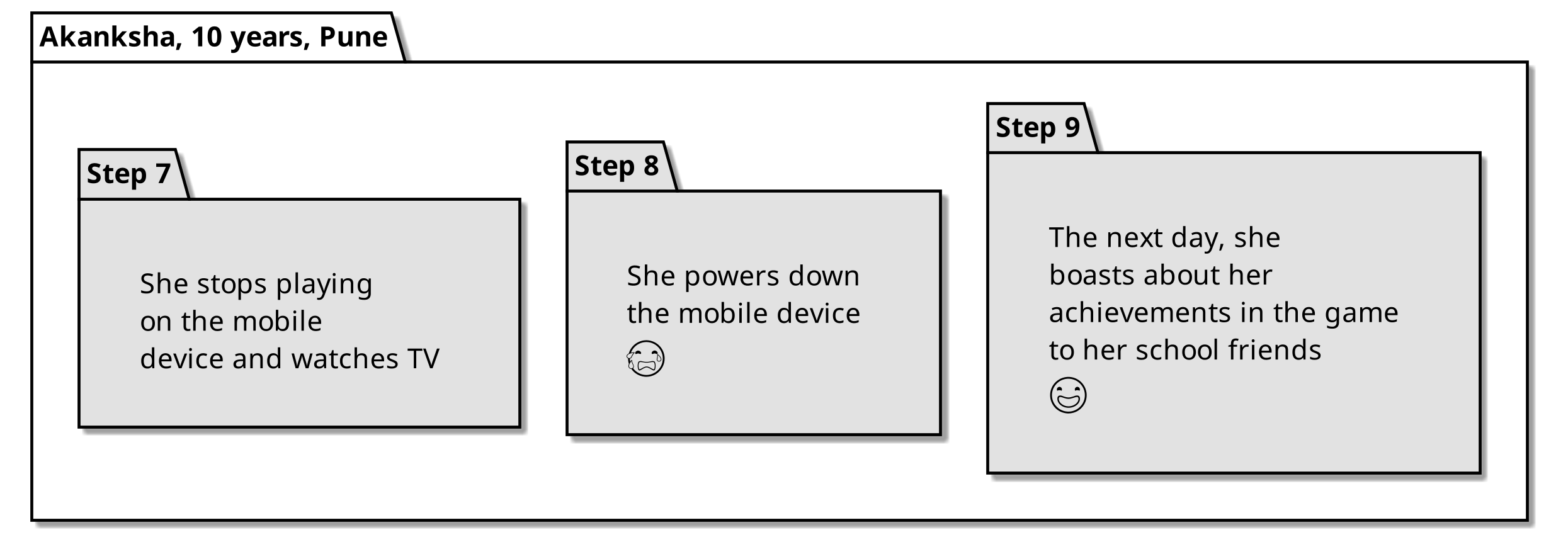
List of problem statements
- The kid is playing on the mobile for most of her spare time
- She is snacking or eating while playing on the mobile
- She spends very little time playing outdoors
Customer Journey Mapping
- Write the customer's activity
- Write the major steps of the user experience (Use one sticky note per step)
- Split the story into 3 - Before, During and After
- Mark the emotional highs and lows (😄 and 😞)
Tasks for You
- Team
- Theme
Teams
- Give your team a lovely, creative name (That means "no IPL team names")
Theme: Mock Scenarios
- Hospital struggles reducing patient discharge delays
- IT firm needs faster data recovery tools
- Consumer brand wants eco-friendly packaging alternatives
- University seeks better student mental health support
- Chemical plant aims to minimize hazardous waste
Task 1: Empathize This
Use my notes to do the following:
- Pick one mock scenario or create your own
- Draw a customer journey map (Draw pictures, if you want)
- List the problems of your customer
- Tip - No solutions, please
Time left for the activity:
Self-evaluate
- 1 mark for Name, gender & age of customer
- 1 mark for location of customer (city, etc)
- 1 mark for writing down the main activity of the customer
- 1 mark each for dividing the customer journey map into 3 sections - Before, During and After
- 1 mark each for writing at least 2 steps of the customer journey per section (Before, During, After)
- 1 mark for listing 2 or more problem statements
Task 2: Empathize That
- Pick a real life project
- Observe real people whom you want to help (customers)
- Draw a customer journey map (Draw pictures, if you want)
- List the problems of your customer
- Tip - No solutions, please
- Share the project with me at bala@balaramadurai.net
See you next time
Karmic Design Thinking: The Big Picture
| Date | Stage |
|---|---|
| Mar 5, 2026 | Empathize |
| Apr 2, 2026 | Analyze |
| Apr 30, 2026 | Solve |
| June 4, 2026 | Test |
10% Discount for group or bundle registration
Analyze
Recap & Catch-up
Who's in the room?
The Karmic Design Thinking Cycle
| Buddhist Truth | KDT Phase | What we do |
|---|---|---|
| Dukkha | Empathize | Acknowledge suffering — observe users |
| Samudaya | Analyze | Find the root cause |
| Nirodha | Solve | Think of ways to end the suffering |
| Marga | Test | Walk the path — prototype & validate |
Story So Far: Empathize (March)
What happened in the Empathize session:
- We picked a customer and created a persona (name, age, location, context)
- We drew a Customer Journey Map — Before, During, After
- We marked emotional highs and lows (😄 and 😞)
- We listed problem statements — what the customer struggles with
Example: Kid Mobile Case Study
Persona: Akanksha, 10 years old, Pune — loves chocolates, aspires to play badminton, owns a tablet
Customer Journey Map: Before
Customer Journey Map: During
Customer Journey Map: After
Problems Identified
- The kid is playing on the mobile for most of her spare time
- She is snacking or eating while playing on the mobile
- She spends very little time playing outdoors
These problems become the input for today's Analyze session
Today: Analyze — Finding Root Causes
We move from what the problem is → to why it exists
Two tools:
- Multi-Why (Toyota's 5-Whys) — dig to the root cause
- If… Then… But… — frame the conflict/contradiction the user faces
Output: How Might We questions → input for the Solve session (Apr 30)
The Analysis - Multi-Why?
Multi-Why
This method is also known as Toyota's 5-Whys approach.
Watch this - https://youtube.com/watch?v=N7cR2gArCFE
Another illustration
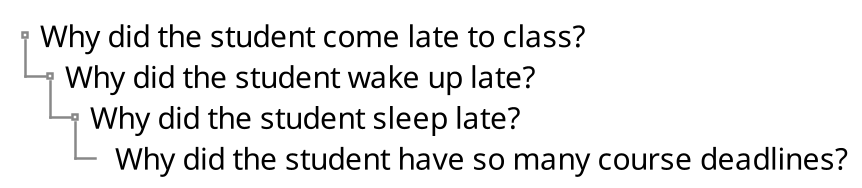
Why does the student come late to class regularly?
The Why Chain
Case Study: The problem from the CJM
- The kid is playing on the mobile for most of her spare time
Case Study: Application of Multi-Whys
- Why 1: Why does the kid play on the mobile for such a long time?
- Ans: To gain experience (XP) points.
- Why 2: Why does the kid want to gain XP points?
- Ans: These are rewards that the kid can brag about to friends.
Case Study: Application of Multi-Whys
- Why 3: Why does the mobile app reward the kid for experience?
- Ans: Rewards offered by the app act as a motivation to keep the kid addicted to playing the game.
- Why 4: Why are children exposed to such addictive mobile apps?
- Ans: Children are exposed to all apps owing to the lack of control mechanisms.
Returning from March?
- You already have your CJM and problem statements — pull them up
- Jump straight into Multi-Why below
New here today?
Pick one mock scenario (or create your own):
- Hospital struggles reducing patient discharge delays
- IT firm needs faster data recovery tools
- Consumer brand wants eco-friendly packaging alternatives
- University seeks better student mental health support
- Chemical plant aims to minimize hazardous waste
Quickly create: a customer persona, a CJM (Before/During/After), and a list of problems
Time for catch-up:
Task: Analyze This
- Take all the problems from your CJM
- Perform the Multi-Why analyses on the problems to find the root causes
- Present the results of the Multi-Why Analysis
- Tip - No solutions, please
Send the results to bala+analyze@balaramadurai.net
Time remaining:
The Analysis - Conflict or Contradiction
What is a conflict or a contradiction?
All that is fine, but where is conflict used on an almost daily basis?
Why so serious?


The conflict model: If… Then… But…
- If
- <Action taken>
- Then
- <Positive consequence>
- But
- <Negative consequence>
Then rewrite as: "How might we… ?"
Up
Watch this - https://youtube.com/watch?v=ORFWdXl_zJ4
Up - The Conflict
- If
- Carl sells his house
- Then
- The realtors will leave him alone
- But
- He loses all his memories of Ellie
HMW: How might we help Carl find peace from the realtors while preserving his memories of Ellie?
Lagaan
Watch this - https://youtube.com/watch?v=0qMPMFOtMU4
Lagaan - The Conflict
- If
- Bhuvan accepts the cricket challenge
- Then
- He gets a chance at no tax for 3 years
- But
- He has to beat a highly capable English cricket team
HMW: How might we help Bhuvan free the villagers from tax without risking everything against a superior team?
Now's your turn
- Think of a movie or novel that you really liked
- Pick a scene you liked
- Find out the conflict that the character faced
- Frame it as: If… Then… But…
Time left for the exercise:
Conflict - Kids Mobile Case Study
- If
- We let the kid freely discover and install apps
- Then
- She gets the joy of exploration and learning
- But
- She gets exposed to addictive apps with no parental control
HMW: How might we give the kid freedom to discover new apps, while retaining parental control over the type of apps?
How Might We questions
- A question hack to make any problem solvable
- Take your If… Then… But… conflict
- Rewrite the desired outcome as a "How might we… ?" question
Task - Analyze That
- Take the problems from the Empathize stage
- Frame each problem as: If… Then… But…
- Rewrite each as a How Might We question
Send the results to me at bala+analyze@balaramadurai.net
Time remaining:
See you next time
Karmic Design Thinking: The Big Picture
| Date | Stage |
|---|---|
| Mar 5, 2026 | Empathize |
| Apr 2, 2026 | Analyze |
| Apr 30, 2026 | Solve |
| June 4, 2026 | Test |
10% Discount for group or bundle registration
Solve
Recap & Catch-up
Who's in the room?
Three Tracks in the Room
We have three groups today:
- Veterans — attended Empathize (Mar) AND Analyze (Apr 2)
- Returners — attended Analyze (Apr 2)
- Newbies — first time with Karmic Design Thinking
Plan: veterans share their work → newbies grab a starter pack
The Karmic Design Thinking Cycle
| Buddhist Truth | KDT Phase | What we do |
|---|---|---|
| Dukkha | Empathize | Acknowledge suffering — observe users |
| Samudaya | Analyze | Find the root cause |
| Nirodha | Solve | Think of ways to end the suffering |
| Marga | Test | Walk the path — prototype & validate |
Story So Far: Empathize → Analyze
- Empathize (March): We observed customers, created personas, drew Customer Journey Maps, and listed problem statements
- Analyze (April 2): We dug into why those problems exist using Multi-Why (5 Whys) and If… Then… But… conflicts
- We framed the desired outcomes as How Might We questions
Veterans' Showcase (≈ 5 min)
Spotlight on those who've been with us since March.
Each veteran shares in 60–90 seconds:
- Who is your customer? (persona)
- What problem did you find?
- Why does it exist? (root cause from Multi-Why)
- Your HMW question
This is the worked example everyone else could use today
Example: Where We Left Off
Problem: The kid plays on the mobile for most of her spare time
Root Cause (Multi-Why): Children are exposed to addictive apps due to lack of control mechanisms
If we let the kid freely discover apps, Then she gets the joy of exploration, But she gets exposed to addictive apps with no parental control
HMW: How might we give the kid freedom to discover new apps, while retaining parental control?
Newbies — Pre-Analyzed Starter Scenarios
You don't need to do Empathize and Analyze from scratch today.
Pick one of the five scenarios from earlier sessions — each comes with a persona, root cause, conflict, and HMW already worked out. Jump straight into ideating.
1. Hospital — Patient Discharge Delays
- Persona: Dr. Priya, 38, head of internal medicine, 200-bed urban hospital
- Problem: Patients ready to leave wait 6–8 hours for discharge paperwork
- Root Cause: Discharge needs sign-offs from 4 departments (doctor, pharmacy, billing, nursing) running sequentially, not in parallel
- Conflict: If we speed up discharge, then beds turn over faster, but compliance and billing checks may be skipped
- HMW: How might we run discharge approvals in parallel without compromising compliance and billing accuracy?
2. IT Firm — Faster Data Recovery
- Persona: Anand, 32, sysadmin at a mid-sized SaaS firm, weekly on-call rotation
- Problem: When a data-corruption alert fires at 2am, recovery takes 4+ hours of manual steps
- Root Cause: Recovery scripts are tribal knowledge — only 2 senior engineers know which to run when
- Conflict: If recovery is fully automated, then anyone can do it, but a wrong click by junior staff could cascade into worse failures
- HMW: How might we make data recovery a one-click operation that's safe for any on-call engineer to run?
3. Consumer Brand — Eco-Friendly Packaging
- Persona: Meera, 29, brand manager at a personal-care company
- Problem: Premium customers complain about plastic; eco-alternatives raise unit cost by 30%
- Root Cause: Bio-based materials lack the strength and shelf-life of plastic, so they need over-engineering
- Conflict: If we switch to eco packaging, then we win sustainability-conscious customers, but we lose price-sensitive ones
- HMW: How might we offer eco-friendly packaging without raising the shelf price for our core customers?
4. University — Student Mental Health Support
- Persona: Rohan, 19, second-year engineering student, hosteler, first time away from family
- Problem: Feels overwhelmed but doesn't visit the counsellor
- Root Cause: Counselling visits feel visible to peers and faculty — perceived stigma overrides the need
- Conflict: If counselling is publicised loudly, then awareness goes up, but stigma keeps students away
- HMW: How might we make mental health support feel approachable and stigma-free for first-year hostelers?
5. Chemical Plant — Hazardous Waste Reduction
- Persona: Ravi, 45, plant operations manager at a specialty chemicals plant
- Problem: Plant produces 12 tonnes of hazardous solvent waste per month; disposal cost is rising
- Root Cause: Inter-batch cleaning uses fresh solvent each time; recycling rigs were proposed but never approved over contamination fears
- Conflict: If we recycle solvent, then waste drops sharply, but contaminated reuse risks batch-quality failures
- HMW: How might we safely reuse cleaning solvent without risking batch contamination?
Today: Solve — Generating Ideas
We move from why the problem exists → to how we solve it
Two approaches:
- Silent Brainstorming — generate many ideas independently
- TRIZ — systematic inventive thinking
Output: A concept combining your best ideas → input for the Test session (June 4)
Silent Brainstorming
Brainstorming, done in silence, is:
- Democratic — every voice carries the same weight; the loudest doesn't win
- Participative — introverts and juniors contribute as freely as anyone else
- Non-judgemental — no eye-rolls, no interruptions, no "yes, but…" in the moment
- Written, not spoken — ideas are captured on paper/sticky notes, not lost in the air
The silence isn't awkward — it's the feature
Task: Solve This
- Pick your HMWs (from Analyze — your team's, or one of the starter scenarios)
- Do silent brainstorming — write down all ideas individually first
Send the results to me at bala+solve@balaramadurai.net
Time remaining:
Scholar and the teacup
Watch this - https://youtube.com/watch?v=Jtuf_VCVEx0
Теория Решения Изобретательских Задач
Теория Решения Изобретательских Задач
TRIZ
TRIZ Nina Videos
Case Study: Ideas
- Separate login for parents
- Physical app store with parents holding the keys
- Parents hold the main objective of the game
- Game save cannot happen without parental permission
Task: Solve That
- Take the HMWs from your real-life project (from Analyze That)
- Do silent brainstorming on each HMW
- Apply TRIZ inventive principles to spark non-obvious ideas
- Combine the ideas into a concept for your project
- Share the project with me at bala+solve@balaramadurai.net
Time remaining:
See you next time
Karmic Design Thinking: The Big Picture
| Date | Stage |
|---|---|
| Mar 5, 2026 | Empathize |
| Apr 2, 2026 | Analyze |
| Apr 30, 2026 | Solve |
| June 4, 2026 | Test |
Test
Recap & Catch-up
Who's in the room?
The Karmic Design Thinking Cycle
| Buddhist Truth | KDT Phase | What we do |
|---|---|---|
| Dukkha | Empathize | Acknowledge suffering — observe users |
| Samudaya | Analyze | Find the root cause |
| Nirodha | Solve | Think of ways to end the suffering |
| Marga | Test | Walk the path — prototype & validate |
Story So Far: Empathize → Analyze → Solve
- Empathize (March): Observed customers, created personas, drew CJMs, listed problems
- Analyze (April 2): Multi-Why to find root causes, If… Then… But… to frame conflicts, HMW questions
- Solve (April 30): Silent brainstorming, TRIZ inventive principles, combined ideas into a concept
Example: The Full Journey So Far
Customer: Akanksha, 10 yrs, Pune — tablet user, loves games
Problem: Plays on mobile for most of her spare time
Root Cause: Lack of parental control mechanisms for addictive apps
HMW: How might we give the kid freedom to discover apps, while retaining parental control?
Ideas: Separate parent login, physical app store with parent keys, game save needs parent permission
Today: Test — Prototype & Validate
We move from ideas → to reality
- Build a quick prototype
- Take it to the user and observe their reaction
- List what works and what doesn't → feeds back into Empathize (the cycle continues)
This is also where we close the loop — the "karmic cycle" of design thinking
Prototypes
Edison's stepping stones to success
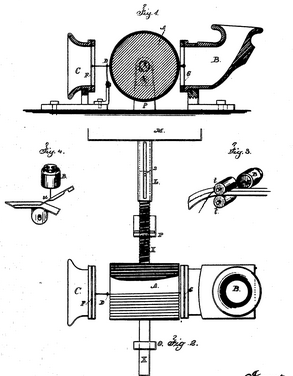
FAILURE
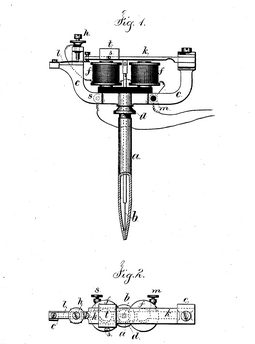
FAILURE
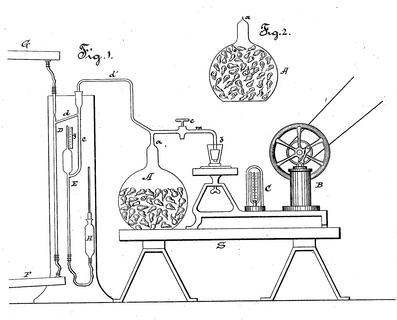
FAILURE
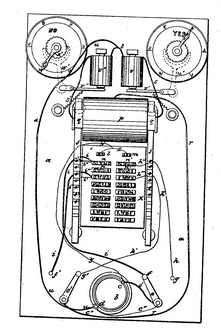
FAILURE
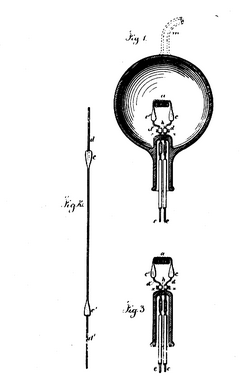
ROARING SUCCESS
Watch this - https://youtube.com/watch?v=GIDDZ_LXXjY
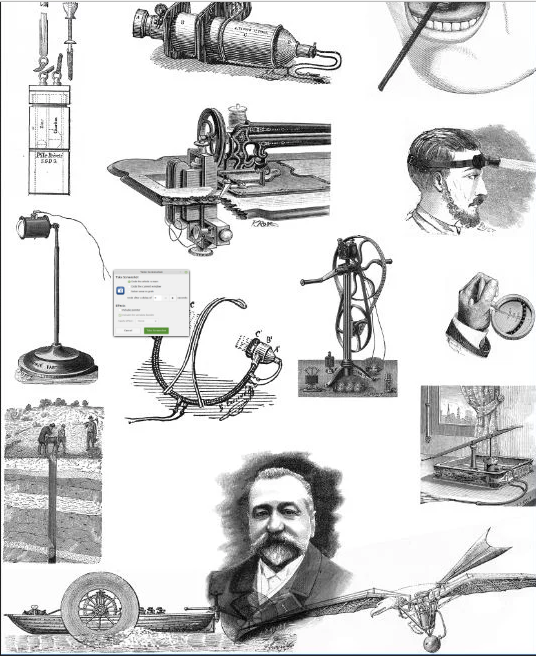
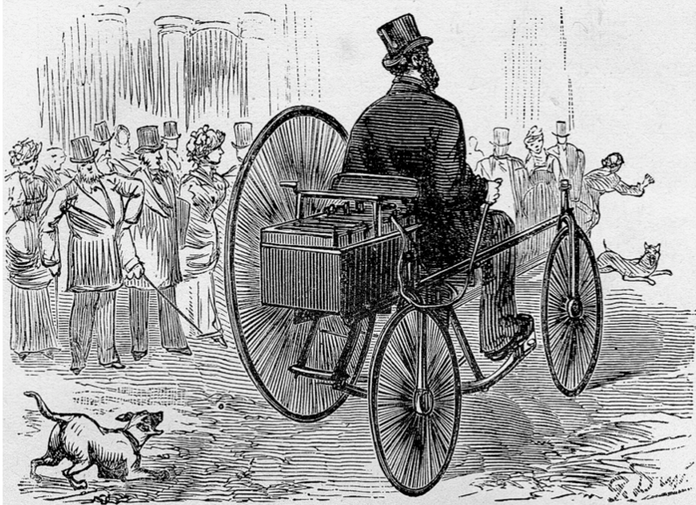
Gustav Trouvé
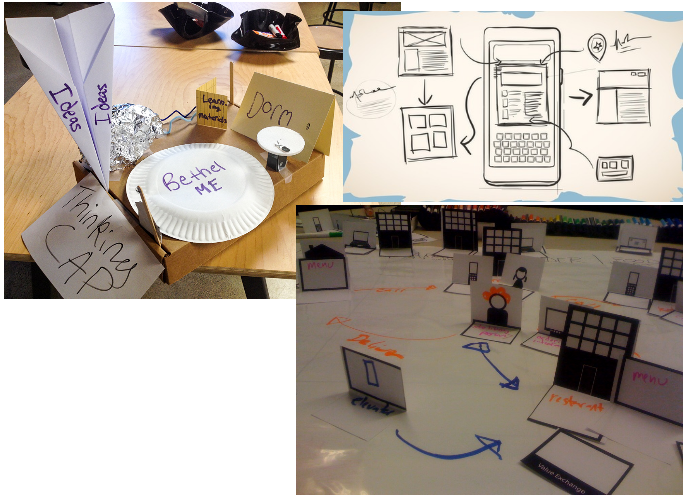
Prototyping Tips
- Apps/Software: Use Figma, Draftbit, or even PowerPoint mockups
- Physical products: Clay, cardboard boxes, wires, paper — anything works
- Services: Roleplay the experience, draw customer flow diagrams showing the new journey
Your prototype does NOT need to be hi-fidelity — it just needs to communicate the idea clearly enough to get a reaction
Path forward
- Build a prototype (very basic, just to test out the concept)
- Take your prototype to the user and observe how they react to it
- Videograph/photograph their reactions using the prototype (with their permission, of course)
- List the problems that your customer face with this new prototype (Empathize)
- Find out why they face these problems (Analyze)
Test This: Build & Test Your Prototype
- Consider the solutions that you have generated in the Solve phase
- Make a working prototype of your ideas with odds and ends that you may find
- Make a copy of your existing CJM
- Modify the CJM to include your solution
- Add two slides highlighting the following:
- a list of features of your solution
- a list of assumptions that you have made and that you would like to test
- Send your prototype, modified CJM, features and assumptions to me at bala+test@balaramadurai.net
Time left for the activity:
Test That: Create a Video Ad
Sell your solution to your customer!
- Create a short digital video ad (max 2 minutes)
- Use human actors — no stock footage or AI avatars
- Show a simple customer story highlighting the impact of your solution
- Follow the AIDA principle:
- A ttention — grab the viewer
- I nterest — show the problem
- D esire — show the solution in action
- A ction — what should the viewer do next?
- Send your video ad (or a link to it) to me at bala+test@balaramadurai.net
☕ Break
Team Presentations
Each team presents their work:
- 8 minutes presentation + 8 minutes Q&A
- Cover the full journey: Empathize → Analyze → Solve → Test
Presentation Checklist
[ ]Prototype and Demo[ ]Modified Customer Journey Map (should have new emotions — not all 😄)[ ]Feature list of your solution[ ]Assumptions you want to test[ ]Video Ad
Bullet Proofing Your Solution
A structured feedback method (based on Ritual Dissent by Cognitive Edge)
| Phase | Duration | What happens |
|---|---|---|
| Pitch | 8 min | Presenter explains — audience only listens |
| Dissent/Feedback | 8 min | Audience gives feedback — presenter only listens |
| Respond | 8 min | Presenter addresses feedback |
Feedback categories: Style, People (empathy), Problem, Solution, Advantages
The Karmic Cycle Continues
Your prototype revealed new problems → that's Empathize v2
Find why those problems exist → Analyze v2
Generate ideas to fix them → Solve v2
Improve your prototype → Test v2
This is the "karmic" in Karmic Design Thinking — the cycle never truly ends, it just gets better with each iteration
Path Ahead
https://docs.google.com/presentation/d/1Ndx74dyzn5BZOEtqB6gdgOPN_LGWX-qSQt-HFg66SSA
Conclusion
Now What?
①
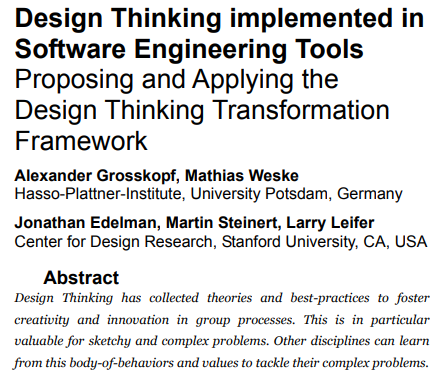
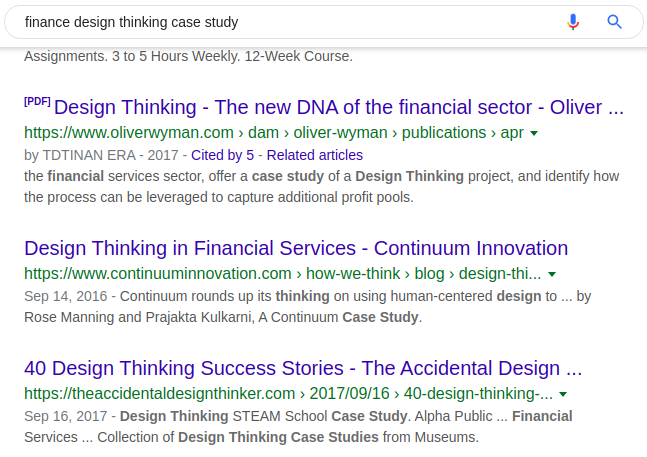
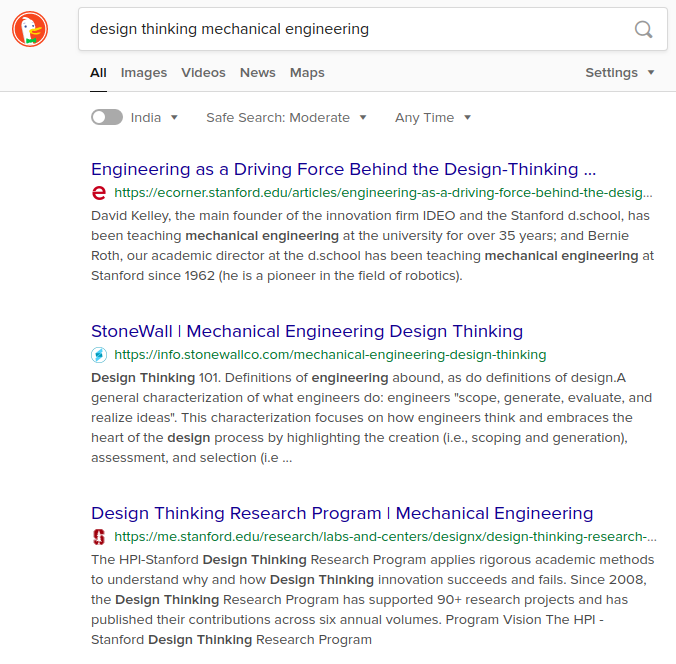
②
Register for design thinking course on NPTEL
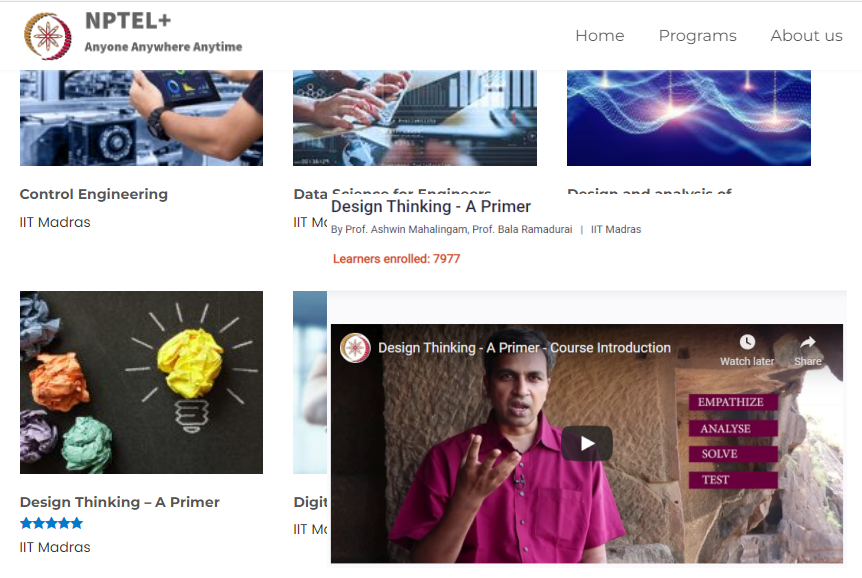
https://elearn.nptel.ac.in/shop/nptel/design-thinking-a-primer/
- IIT Madras certificate
- Join the community of 150,000+ learners who have already benefitted from the course
If you want the course for your team or department, contact me
- IIT Madras certificates
- Customized innovation and KDT coaching
- Your projects will attain Innovation Nirvana
Suggested References
- Karmic Design Thinking by Dr. Bala Ramadurai
- Design: Creation of Artifacts in Society by Prof. Karl Ulrich, U. Penn
- Change by Design by Tim Brown
- And Suddenly the Inventor Appeared, by G. Altshuller
- IDEO
- Stanford d.school
- Wikipedia.org - Four Noble Truths
③
Suggested Videos
Empathize
Analyze
Suggested Videos
Solve
Test
①②③
- Search
- Learn
- Watch
Acknowledgments
- Emacs - this old editor rocks! - https://www.gnu.org/software/emacs/
- Spacemacs - this new configuration is space age - https://spacemacs.org
- Org Mode - I run my life using this - https://orgmode.org
- Reveal.js - cool presentation script - https://revealjs.com/
- Org-reveal package - lets me live in org-mode - https://gitlab.com/oer/org-re-reveal
- Org-teaching - original codebase for this presentation - https://gitlab.com/olberger/org-teaching
- Plantuml - for all the cartoon work - https://plantuml.com/
- Hugo - for converting into static html - https://gohugo.io
- Gitlab - for hosting my website and the presentations - https://gitlab.com
Acknowledgments
- Conversations with
- Dr. Dmitry Kucharavy, Professor, France
- Dr. Murali Loganathan, Head, Sales & Research, Spirelia Innovation, India
- NPTEL team who have been so supporting throughout these years
Meet Your Facilitator - Prof. Bala Ramadurai