Mindset Building for Innovation
"What If?"
Bala Ramadurai
Intro & Plan
Meet Your Facilitator - Bala Ramadurai
Entrepreneur, Professor, Author and Innovation Coach
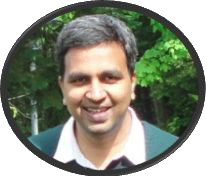
- Marie Curie Research Fellow at Politecnico di Milano, Milan, Italy
- PhD from Arizona State University, USA (Materials)
- BTech from IIT Madras, India (Metallurgy)
Prof. Bala Ramadurai - Professor
- IIT Madras, Chennai, India
- Universidad Panamericana, Mexico City, Mexico
- Symbiosis Institute of Business Management, Pune, India
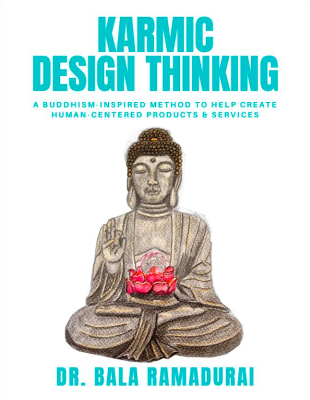
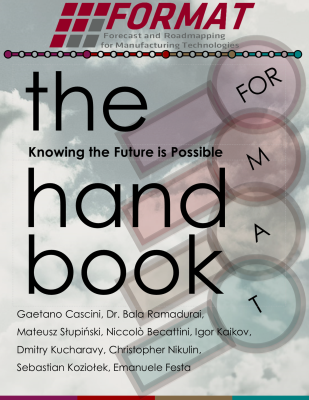
Bala Ramadurai - Author
 |
 |
 |
 |
Bala Ramadurai - Innovation Coach

Bala Ramadurai - Entrepreneur

Spirelia
Innovate with Confidence
The Invention OS

| AI Agent | Function | Core Benefit |
|---|---|---|
| Uttishta AI | What to Invent | Strategic IP & market intelligence |
| Utkarsha AI | Where to Invest | Future forecaster of technologies and strategic investment analysis. |
| Karmaja AI | How to Innovate | Guided, structured workflow for solution generation. |
| Narasimha AI | How to Protect | Efficient capture of invention details. |
Courses Taught
Design Thinking
Human Centred Design of products and services
Innovate Like a Boss
Systematic Innovation using methodologies like TRIZ, Brainstorming
Technology Forecasting

Love to keep in touch
https://balaramadurai.net/about/
bala@balaramadurai.net
My LinkedIn
Intros
Intro
- Your role at Amdocs
- One technology or trend you're curious about right now
- When was the last time you built something just for fun?
Unbox Summit - Edition 4
- This year's theme: Mindset Building
- Today's masterclass: Building the innovator's mindset
Our Journey
| Module | Topic |
|---|---|
| Module 1 | Why should your company be innovative? |
| Module 2 | What is innovation? |
| Break | Stretch & Reflect |
| Module 3 | How to be innovative? |
| Module 4 | How to develop the mindset of innovation? |
| Wrap-up | Takeaways & Commitments |
Module 1: Why Should Your Company Be Innovative?
The world has changed
B rittleness
Systems seem strong but shatter under stress
A nxiety
Every decision feels high-stakes
N onlinearity
Small causes, disproportionate effects
I ncomprehensibility
Things don't just lack clarity — they defy understanding
Which one of these four do you feel most?
- Brittleness
- Anxiety
- Nonlinearity
- Incomprehensibility
Shout it out. or Virtual: Type B, A, N, or I in chat.
Quick Poll: Hands up
How many of you have ever been confident about a prediction that turned out completely wrong?
The "experts" said…
The subscription model of buying music is bankrupt. I think you could make available the Second Coming in a subscription model and it might not be successful.
Steve Jobs, 2003
"We've always done it this way"
"If it ain't broke, don't fix it"
"That's not my department"
Two Scenarios
Tiger or Rocky? Which approach would you adopt?
90%
chose Tiger and innovations failed
because they never talk to a single customer
So why should your company be innovative?
Because the world is BANI
Because experts get it wrong
Because 90% who don't innovate, fail
Task 1: BANI Spotting
- Think of one change in the last year at Amdocs or your industry that caught you off guard
- Classify it: Brittle, Anxious, Nonlinear, or Incomprehensible?
- How did you respond? How would you respond differently now?
- Share with your neighbour
Time:
Self-Evaluate: BANI Spotting
| Score | Criteria |
|---|---|
| ★ | I identified a change but couldn't classify it |
| ★★ | I classified the change into a BANI category |
| ★★★ | I reflected on my response and identified a gap |
| ★★★★ | I articulated a different, better response |
| ★★★★★ | My partner said "that's a great insight" |
Module 2: What Is Innovation?
How do organizations innovate?
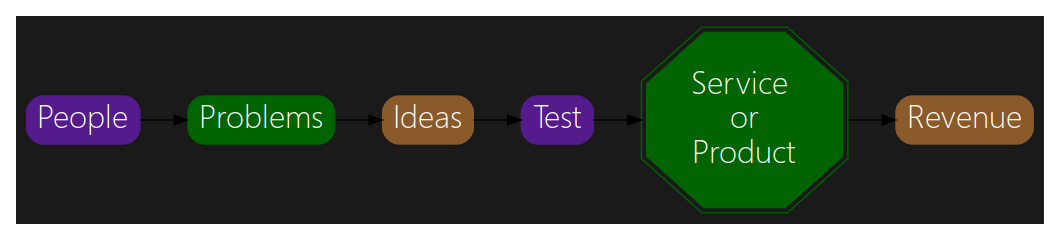
Ideas implemented should lead to revenue
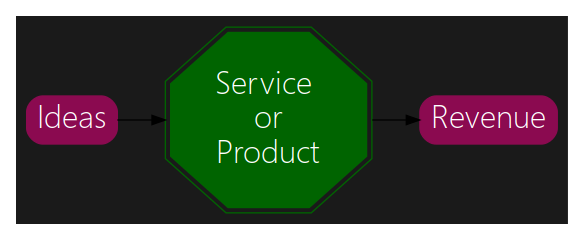
Ideas are meant to solve problems
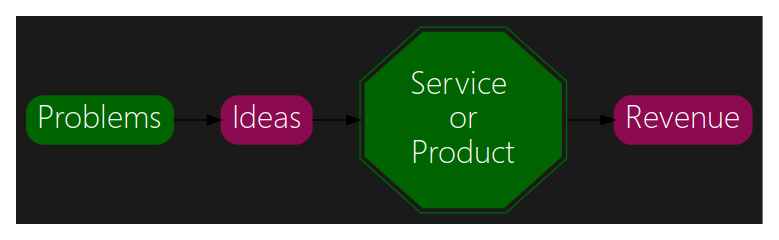
Whose problems?
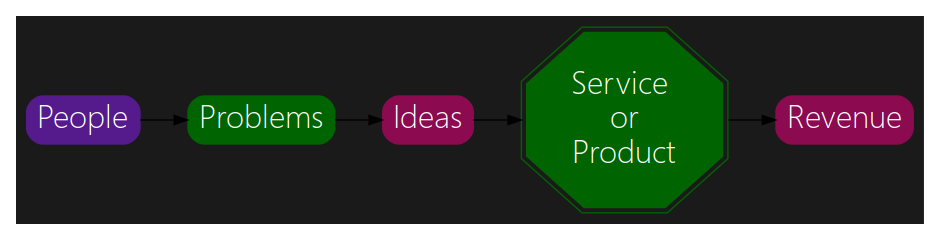
Not many will like untested products
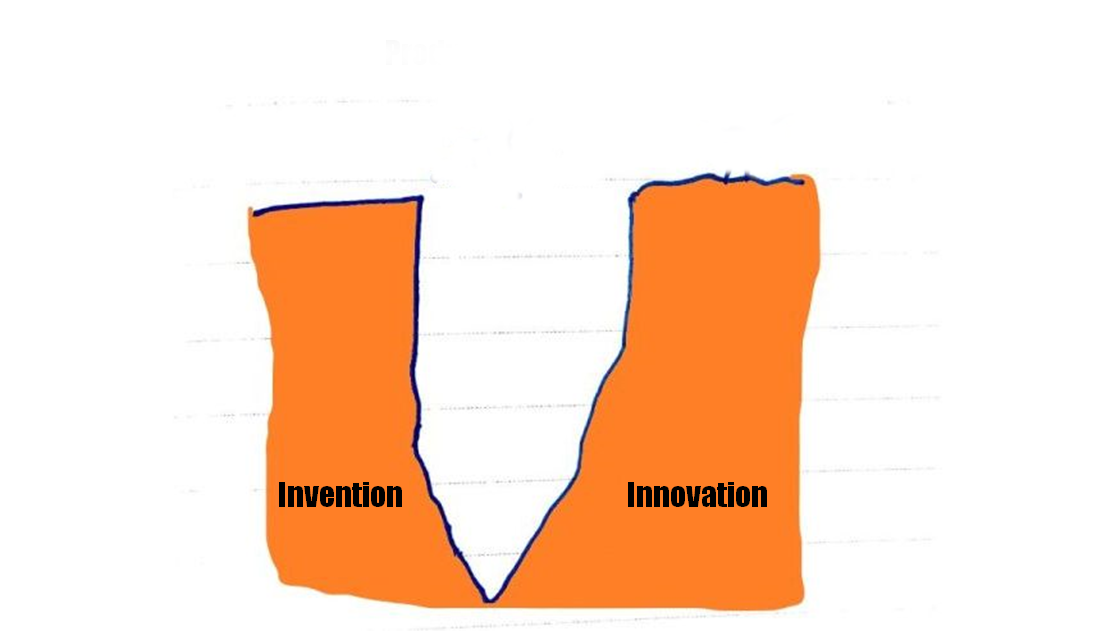
Innovation is NOT invention
What is Innovation?
- Open your browser
- Type the word "innovation" in a search engine
- Click on the "images" tab
- What is common between those images?
10s
→ 4320000s
~120 hrs (30 days)


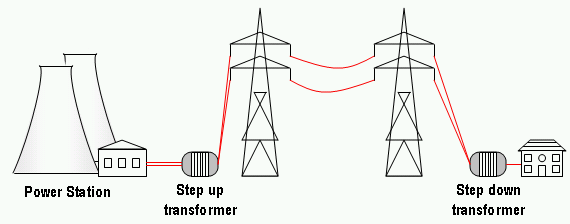
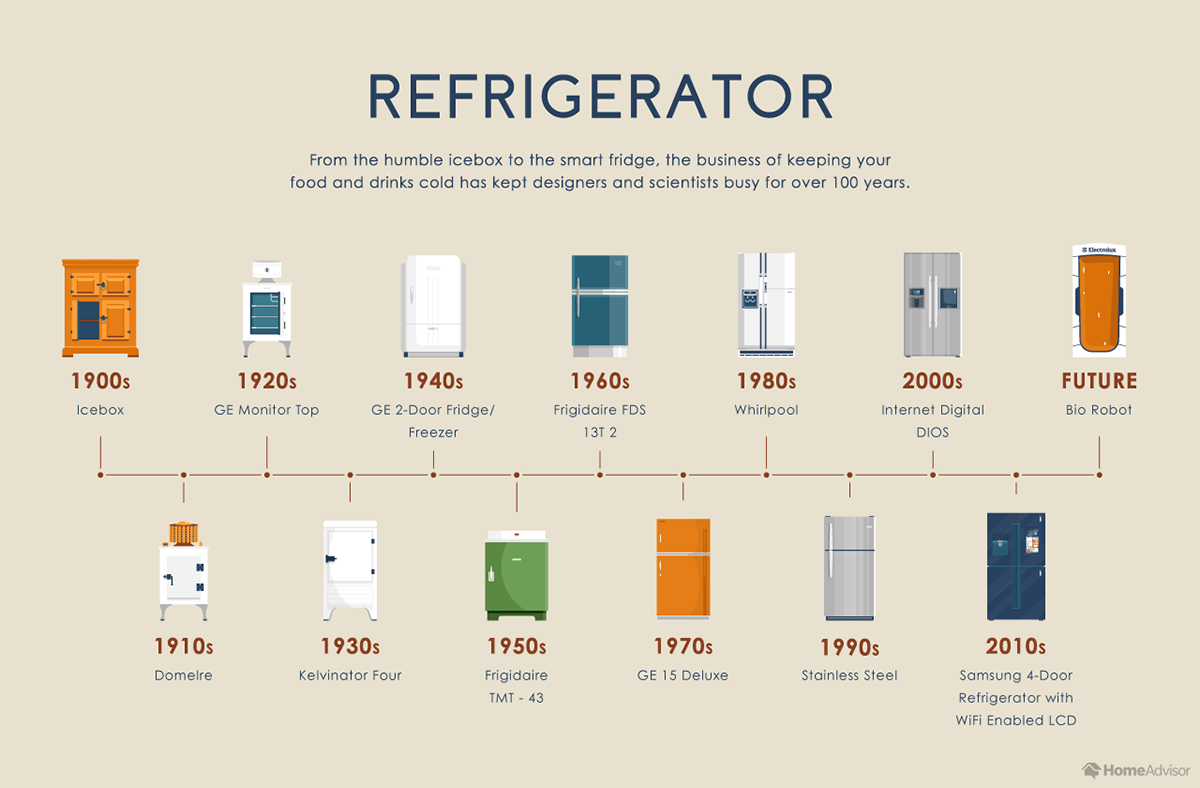
Edison's innovation was not the bulb
He thought about the customer situation
He formulated the problem from the customer's perspective
He thought in systems, not just products
He created systems that made business sense
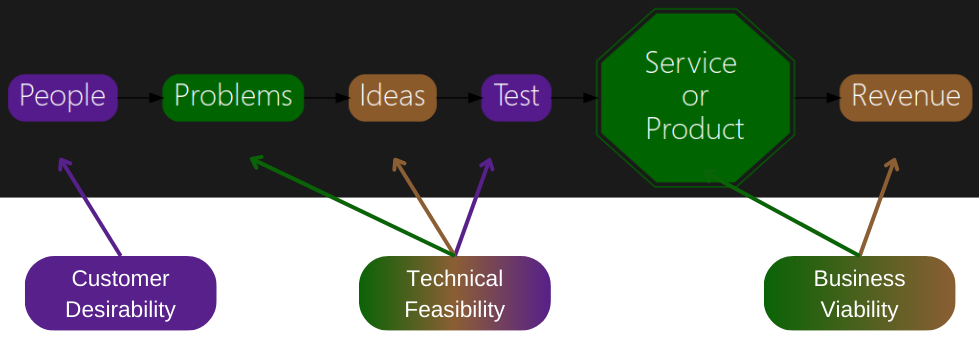
Innovation requires three things
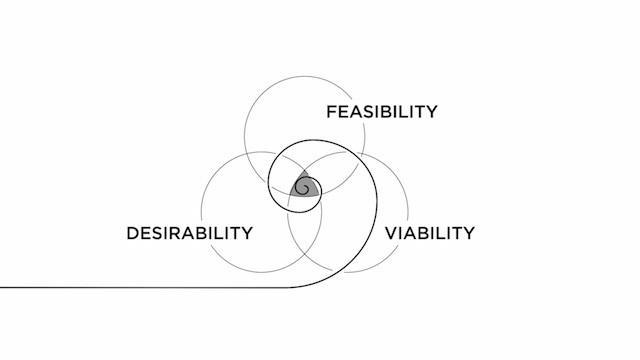
- Customer Desirability
- Technical Feasibility
- Business Viability
Source - IDEO's model
Task 2: Innovation Audit
- Think of a recent feature or product your team built
- Score it on the three dimensions: Customer Desirability (0-10), Technical Feasibility (0-10), Business Viability (0-10)
- Which dimension was the weakest? Why?
- Discuss with your neighbour — what would you do differently?
Time:
Self-Evaluate: Innovation Audit
| Score | Criteria |
|---|---|
| ★ | I scored my project but only on feasibility |
| ★★ | I scored all three but realized one was a guess |
| ★★★ | I identified the weakest dimension with a clear reason |
| ★★★★ | I proposed a concrete step to strengthen the weak area |
| ★★★★★ | My partner's feedback changed how I see the project |
Break
Stretch. Breathe. Reset.
Time:
Module 3: How To Be Innovative?
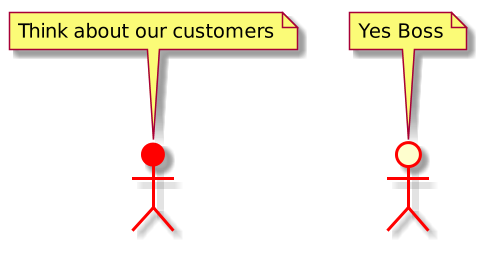
There's a framework for this
A R I S E
Assess · Research · Invent · Synthesize · Execute
"Uttishta" (Sanskrit) = Arise, stand up
For today: 2 steps you can use tomorrow morning
R
Research
Understand the customer's
real problem
I
Invent
Find the conflict and
reframe it
Step 2: Research — understand the real problem
Research means asking, not assuming
- What frustrations does the customer actually have?
- What job are they trying to get done?
- What do they need but can't articulate?
Step 2: Invent — find the conflict and reframe it
Whom can we learn framing conflicts from?

Can you spot the conflict?
- If
- Neo enters the military building
- then
- he can attempt to save Morpheus
- but
- there are three agents holding Morpheus
The conflict model: If… Then… But…
- If
- <Action taken>
- Then
- <Positive consequence>
- But
- <Negative consequence>
Then rewrite as: "How might we… ?"
Conflict - Put on your movie critic's hat
- Think of a movie or novel that you really liked
- Pick a scene you liked
- Find out the conflict that the character faced
- Represent in the model that I described (If… Then… But…)
Time left for the exercise:
R → I in action
Valentine's Day, 2005
Three ex-PayPal engineers launch a video dating site
Tagline: "Tune In, Hook Up"
They ran Craigslist ads offering women $20 to upload dating videos
Result after 5 days: zero dating uploads
But then they did something Tiger never did
They watched what users actually did with the platform
What they saw surprised them
People were uploading videos of their dogs
Their vacations
Their kids
Anything but dating
The conflict they found (the I — Invent step)
- If
- we keep our website as a dating site
- then
- it matches our original vision
- but
- nobody uses it
How might we let users share any video, not just dating videos?
The result
June 2005: open to all videos
July 2005: 100 million video views per day
October 2006: Google buys their company for $1.65 billion
18 months from zero dating uploads to $1.65 billion
YouTube
They're not alone
| Gmail | Beta for 5 years (2004-2009) |
| Started as Burbn (a check-in app) | |
| Slack | Built for a video game that flopped |
| Android | Meant for digital cameras |
2 steps — that's it
R
Research the customer
Go see. Don't assume.
Find pain, jobs, latent needs.
I
Invent by reframing the conflict
If...Then...But...
Reframe as How Might We?
Task 3: Research & Invent
- Research: Think of a real frustration your customer or end-user faces. Not what you assume — something you've seen or heard.
- Invent: Frame it as: If… Then… But…
- Rewrite the conflict as a "How might we…" question
- Share with your neighbour — does your HMW resonate?
Time:
Self-Evaluate: Research & Invent
| Score | Criteria |
|---|---|
| ★ | I described a problem but it's based on assumption |
| ★★ | My problem is based on something I've seen or heard |
| ★★★ | I framed a genuine If…Then…But conflict |
| ★★★★ | I rewrote it as a sharp How-Might-We question |
| ★★★★★ | My partner's feedback made it even sharper |
Module 4: How To Develop The Mindset of Innovation?
IKE
I. Know. Everything.
The #1 enemy of innovation.
Quick show of hands
How many of you have heard someone say: "We tried that already, it didn't work"?
Now… how many of you have said it yourself?
Signs of the IKE Mindset - Engineer Edition
- "I've seen this architecture before - it doesn't scale"
- "That framework is just hype"
- "We tried microservices already, it was a mess"
- "Let me tell you how we solved this in the last project"
- "I've been coding for 8 years, I know what works"
Quick Activity
- Draw a pen/pencil sketch of your face from memory
Show it to you neighbour
Time:
The antidote to IKE
初心
Shoshin
Beginner's Mind
In the beginner's mind there are many possibilities, but in the expert's mind there are few.
Shunryu Suzuki, Zen Mind, Beginner's Mind
Expert vs. Beginner
| Expert (Tiger) | Beginner (Rocky) |
|---|---|
| "I know the answer" | "What if there's another way?" |
| "That won't work" | "Let's try and see" |
| "Been there, done that" | "Tell me more" |
| Defends positions | Asks questions |
| Sees constraints | Sees possibilities |
One word. Type the first emotion that comes to mind.
FAIL
Imagine you're a parent. Your kid comes home from school.
What's the first question you ask?
"What did you fail at today?"
— Sara Blakely's father, every night at dinner
If she had nothing to share, he was disappointed.
She went on to build Spanx from $5,000 to $1 billion.
Pop quiz: What does WD-40 stand for?
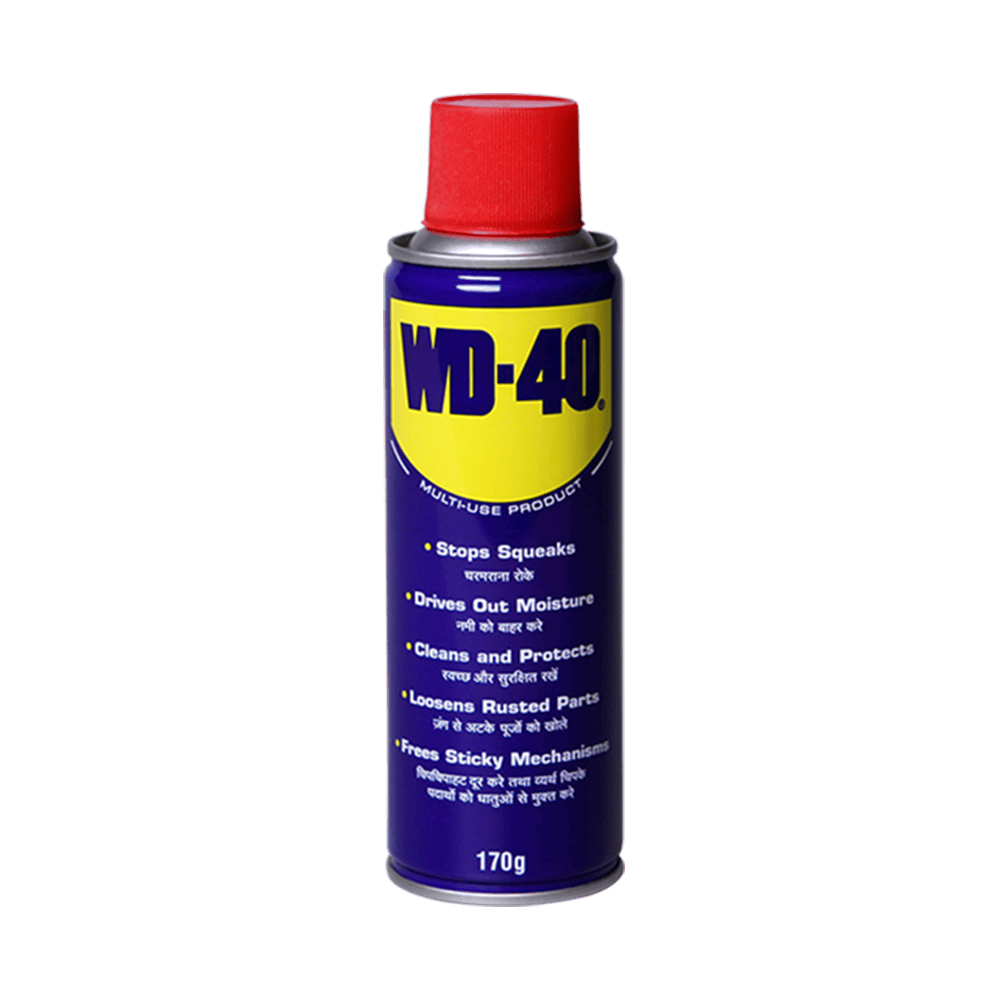
Source - https://wd40.in/data-sheets/
WD-40
Water Displacement — 40th attempt
They put the failure count in the name.
The Three Mindset Shifts
Shift 1
From Knowing → to Learning
Shift 2
From Perfecting → to Prototyping
Shift 3
From Defending → to Discovering
0.8%
of your year is spent at an annual hackathon
Google gives 20% → Gmail, Google News, AdSense
Atlassian's ShipIt Days → dozens of shipped features
Innovation isn't an event. It's a daily practice.
Your Innovation Toolkit — 4 daily questions
What am I assuming that might not be true?
What would I try if I couldn't fail?
Who sees this differently than I do?
What's the smallest experiment I can run today?
Task 4: Your Innovation Sprint
- Take the How-Might-We question from Task 3
- Design a "smallest experiment" — something you can try in one sprint
- Share your experiment with your table and get at least 2 critiques
- Refine based on feedback
Time:
Self-Evaluate: Your Innovation Sprint
| Score | Criteria |
|---|---|
| ★ | I have a HMW but couldn't think of an experiment |
| ★★ | I designed an experiment but it's too big for one sprint |
| ★★★ | I designed a concrete experiment that fits in one sprint |
| ★★★★ | My critiques improved my experiment design |
| ★★★★★ | I'm genuinely excited to try this in my next sprint |
Wrap-up & Takeaways
Our journey today
| Module | Question | Key Lesson |
|---|---|---|
| 1 | Why should your company be innovative? | BANI — innovate or die |
| 2 | What is innovation? | Customer + Systems + Business |
| 3 | How to be innovative? | Visualize, Conflict, Prototype |
| 4 | How to develop the mindset? | Shoshin over IKE |
The Mindset Shifts — Tiger to Rocky
| From (Tiger) | To (Rocky) |
|---|---|
| I Know Everything (IKE) | What if? (Beginner's Mind) |
| Build in isolation | Test with customers early |
| Failure = Bad | Failure = Learning |
| Perfect first time | Iterate and improve |
| Status quo is safe | Status quo is risky |
Your Nuggets To Take Home
- BANI is the reality — innovate or get left behind
- Innovation = Customer Desirability + Feasibility + Viability
- Visualize problems, find conflicts, prototype fast
- IKE kills innovation — be Rocky, not Tiger
- Ask: "What's the smallest experiment I can run?"
The One Thing
What is ONE thing from today that you will act on this week?
Write it down. Share it with your neighbour. Hold each other accountable.
Time:
Who will be "illiterate" in the 21st century?
(Not who you think)
The illiterate of the 21st century will not be those who cannot read and write, but those who cannot learn, unlearn, and relearn.
Alvin Toffler
Suggested References
- Karmic Design Thinking by Dr. Bala Ramadurai
- The Innovator's Dilemma by Clayton Christensen
- Mindset: The New Psychology of Success by Carol Dweck
- Zen Mind, Beginner's Mind by Shunryu Suzuki
- Black Box Thinking by Matthew Syed
- The Lean Startup by Eric Ries
- IDEO
- Stanford d.school
Acknowledgments
- Emacs - this old editor rocks! - https://www.gnu.org/software/emacs/
- Spacemacs - this new configuration is space age - https://spacemacs.org
- Org Mode - I run my life using this - https://orgmode.org
- Reveal.js - cool presentation script - https://revealjs.com/
- Org-reveal package - lets me live in org-mode - https://gitlab.com/oer/org-re-reveal
- Org-teaching - original codebase for this presentation - https://gitlab.com/olberger/org-teaching
Acknowledgments
- Conversations with
- Dr. Dmitry Kucharavy, Professor, Strasbourg, France
- Dr. Murali Loganathan, Head, Research and Sales, Spirelia Innovation, India
Meet Your Facilitator - Prof. Bala Ramadurai
Oh and one more thing
Selfie
2026-Amdocs-Innovation